Malkata
Virtual asset linked to this landmark

- Virtual owner
- The platform
- Times sold
- 0
- Fame on Wikipedia
- 12,922 article reads in 12 months
- Searches (30 days)
- 0
- Watching
- 0
Virtual ownership only. It gives no legal, financial or physical right in the real landmark. Prices are set by the market and may fall.
About Malkata and its history
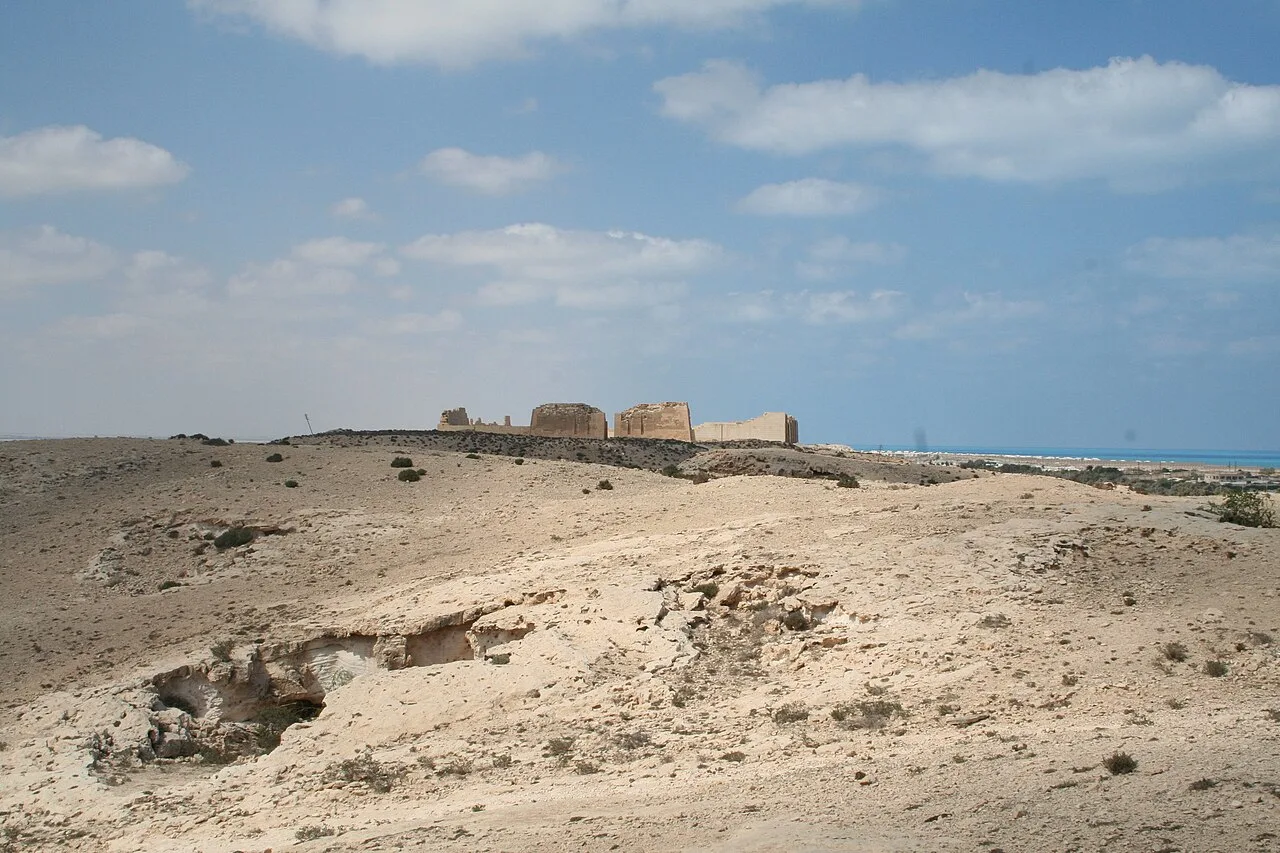
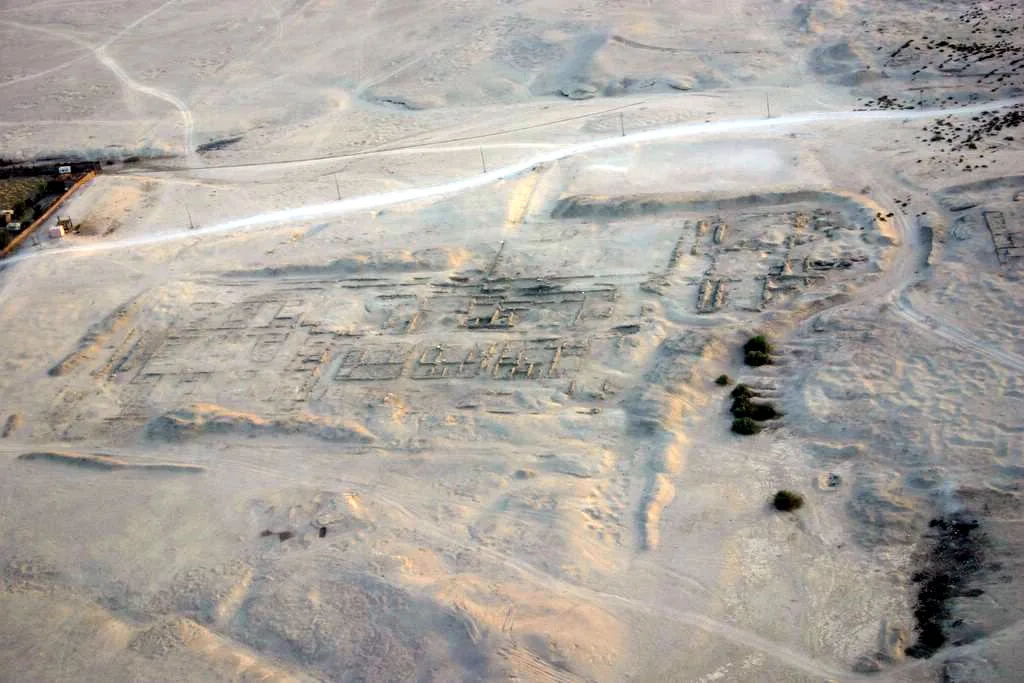
Ruins of the mudbrick palace complex built by Amenhotep III on the west bank of the Nile south of Medinet Habu.
Malkata (or Malqata; Arabic: الملقطة, lit. 'the place where (ancient) things are picked up'), is the site of an Ancient Egyptian palace complex built during the New Kingdom, by the 18th Dynasty pharaoh Amenhotep III. It is located on the West Bank of the Nile at Thebes, Upper Egypt, in the desert to the south of Medinet Habu. The site also included a temple dedicated to Amenhotep III's Great Royal Wife, Tiy, which honors Sobek, the crocodile deity.
Royal Village
There are various structures in the desert, consisting of several residential palaces, a temple of Amun, a festival hall, elite villas, houses for the relatives of the royal family, apartments for attendants, and a desert altar termed the Kom al-Samak, all of which were constructed of mud bricks.
Festivals At Malkata
As stated by Jennifer Houser Wagner, this site contained a large manmade lake expanding 2.5 km. This Lake was believed to be part of Amenhotep III's sed festival ritual wherein the pharaoh becomes one with the god Re. Theses festivals took place during the years 30, 34, and 37. These festivals took place for months and expanded across Egypt.
Royal Palace of Amenhotep III
The royal palace was built in the 14th century BC and its ancient name was Per-Hai, "House of Rejoicing" or the Palace of the Dazzling Aten, which was one of Amenhotep III's royal epithets. Built mostly out of mud-brick, it was Amenhotep's residence throughout most of the later part of his reign. Construction began around year 11 of his reign and continued until the king moved there permanently around his year 29. Once completed, it was the largest royal residence in Egypt.
To the east of the palace a large ceremonial lake was dug. The palace area was connected to the Nile through a system of canals, which end in a large harbour or quay, now called Birket Habu (Hapu's Lake). While excavating the Birket Habu Egyptologists David O'Connor and Barry Kemp discovered fragments of painted wall plaster from a palace they termed Site K. This palace had apparently been demolished when the lake was built in the last decade of Amenhotep III's reign. These fragments of painted decoration are significant as their artistic style closely resembled that of the Minoan civilization, similar to those found at the earlier Thutmosid palace of Tell el-Dab’a in the Delta. Birket Habu was used as an important feature of Amenhotep III's heb-sed festival in year 30 of his reign; it was also used as a super highway as it was connected to the Nile. The man made harbor acted as a location for goods and transportation being brought to Malkata.
The palace contained many audience halls, central halls, courtyards, villas, smaller palace complexes for the royal family, and apartments for officials. The harbor and canal connected the palace with the Nile, allowing easy travel across the river to the city of Thebes, which was situated on the eastern bank.
Information source: Wikipedia · rewritten and edited by Maalem; available under CC BY-SA 4.0
- Location
- Luxor, Egypt
- Coordinates
- 25.7167, 32.5917
- Category
- Ancient Sites
Source: Wikipedia · Factual information about the real landmark; unrelated to virtual ownership.
Price & ownership history
Landmarks near Malkata
Map → Available
📖 47 K reads
Available
📖 47 K reads
 Available
📖 2 K reads
Available
📖 2 K reads
 Available
📖 17 K reads
Available
📖 17 K reads
 Available
📖 27 K reads
Available
📖 27 K reads