Valley of the Queens
Virtual asset linked to this landmark

- Virtual owner
- The platform
- Times sold
- 0
- Fame on Wikipedia
- 26,795 article reads in 12 months
- Searches (30 days)
- 0
- Watching
- 0
Virtual ownership only. It gives no legal, financial or physical right in the real landmark. Prices are set by the market and may fall.
About Valley of the Queens and its history
A necropolis where queens and royal children were buried; its most famous tomb is that of Nefertari.
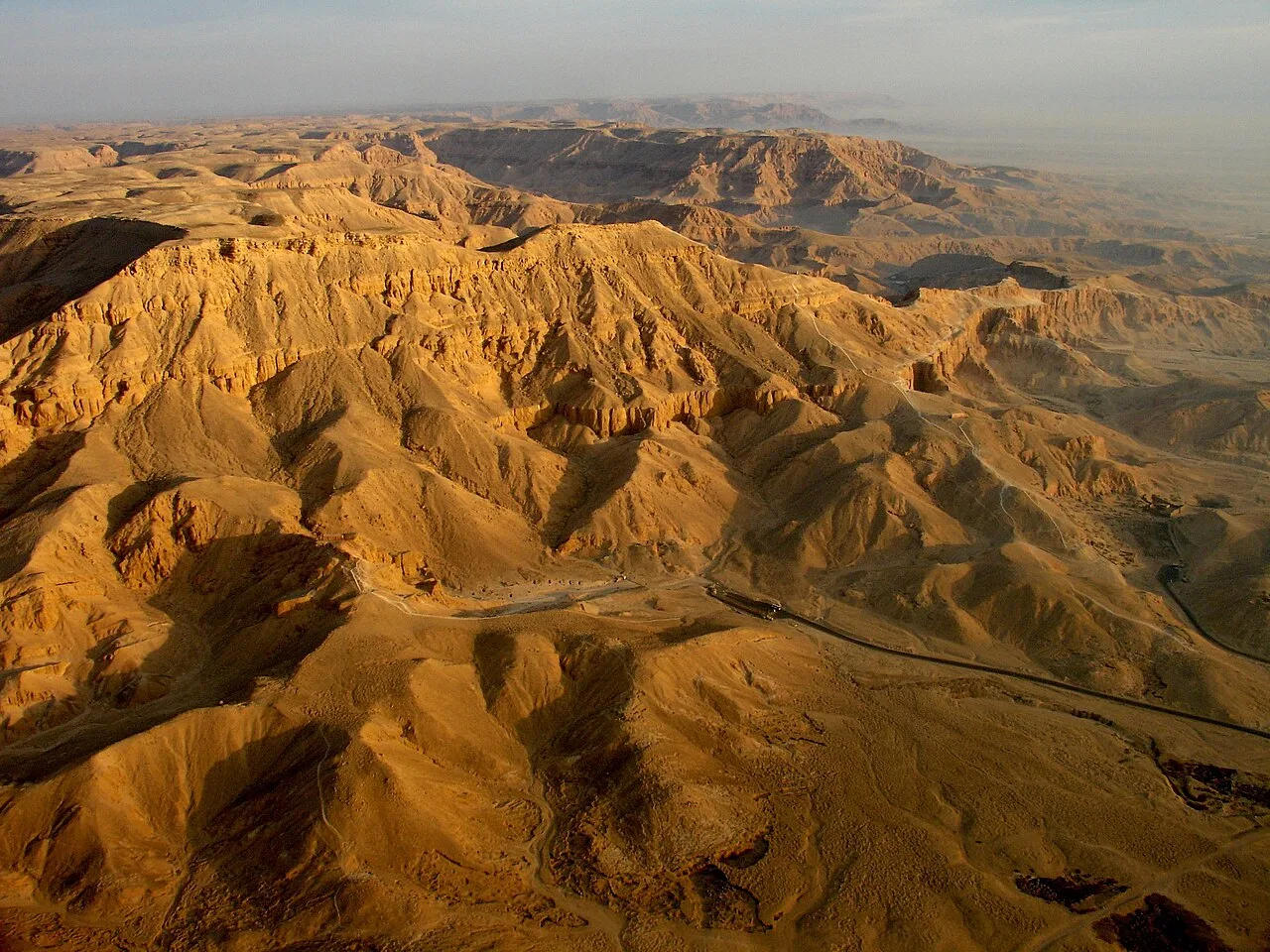
The Valley of the Queens is a site in Egypt, in which queens, princes, princesses, and other high-ranking officials were buried from roughly 1560 BC to 1130 BC. Pharaohs were buried in the Valley of the Kings. The Valley of the Queens was known anciently as Ta-Set-Neferu, which has a double meaning of "The Place of Beauty" and/or "the Place of the Royal Children". Excavation of the tombs at the Valley of the Queens was pioneered by Ernesto Schiaparelli and Francesco Ballerini in the early 1900s.
The Valley of the Queens consists of the main wadi, which contains most of the tombs, along with the Valley of Prince Ahmose, the Valley of the Rope, the Valley of the Three Pits, and the Valley of the Dolmen. The main wadi contains 91 tombs and the subsidiary valleys add another 19 tombs. The burials in the subsidiary valleys all date to the 18th Dynasty.
The reason for choosing the Valley of the Queens as a burial site is not known. The close proximity to the workers' village of Deir el-Medina and the Valley of the Kings may have been a factor. Another consideration could have been the existence of a sacred grotto dedicated to Hathor at the entrance of the Valley. This grotto may have been associated with rejuvenation of the dead.
Along with the Valley of the Kings and nearby Thebes, the Valley of the Queens was inscribed on the UNESCO World Heritage List in 1979.
Geology
The Valley of the Queens is on a geological array of limestones, marls, clays, chalks, and shale. The clays in the valley have undergone expansion and shrinkage due to recurrent flash-flooding throughout the valley. This shrinkage has been one cause of unstable tomb construction and later tomb damage in the valley. Rockslides resulting from shrunk clay deposits and tectonic events have damaged not only the tombs of the valley but also the wall paintings within them.
The current landscape of the Valley of the Queens was built through faulting and subsequent slumping during the Pliocene and Pleistocene epochs. Thus, the original horizontal stratigraphy of the area has been subject to tilting. This tilting has revealed deposits of minerals like anhydrite, gypsum, and halite. Salt from halite in the ground is also damaging to the paintings within tombs. Seeping groundwater has permeated the tombs and is the cause of the dissolved and recrystallized salt.
Gypsum, along with clay, is most often believed to be the plasters used in ancient Egypt. Due to the lack of data, however, it is hard to determine what exactly composes the ancient plasters. Such beliefs are contested because of variations of plaster color, hardness, and amount used in a particular tomb.
Information source: Wikipedia · rewritten and edited by Maalem; available under CC BY-SA 4.0
- Built / established
- New Kingdom
- Location
- Luxor, Egypt
- Coordinates
- 25.7286, 32.5929
- Category
- Ancient Sites
Source: Wikipedia · Factual information about the real landmark; unrelated to virtual ownership.
Price & ownership history
Landmarks near Valley of the Queens
Map →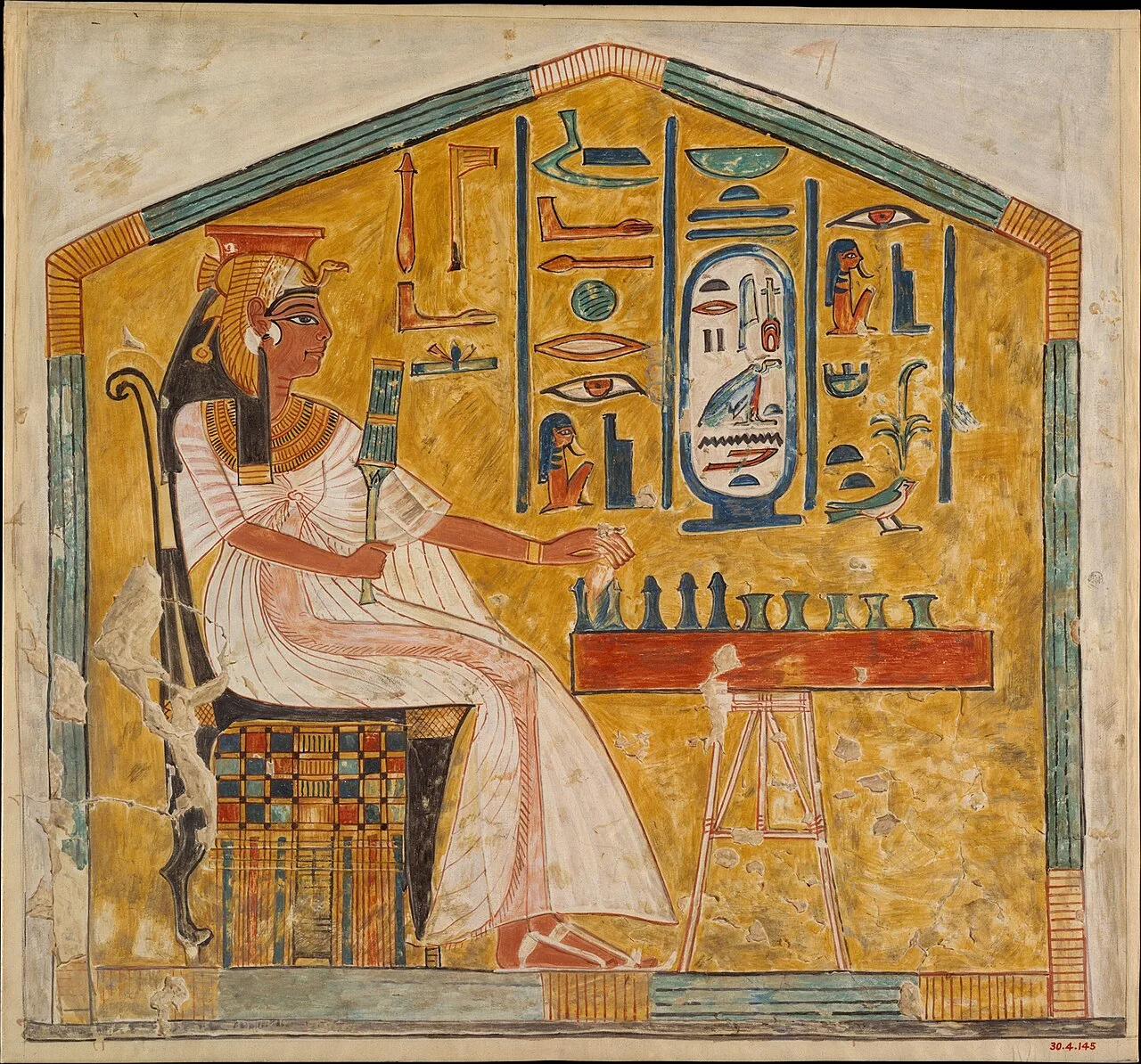 Available
📖 17 K reads
Available
📖 17 K reads
 Available
📖 2 K reads
Available
📖 2 K reads
 Available
📖 8 K reads
Available
📖 8 K reads
 Available
📖 33 K reads
Available
📖 33 K reads