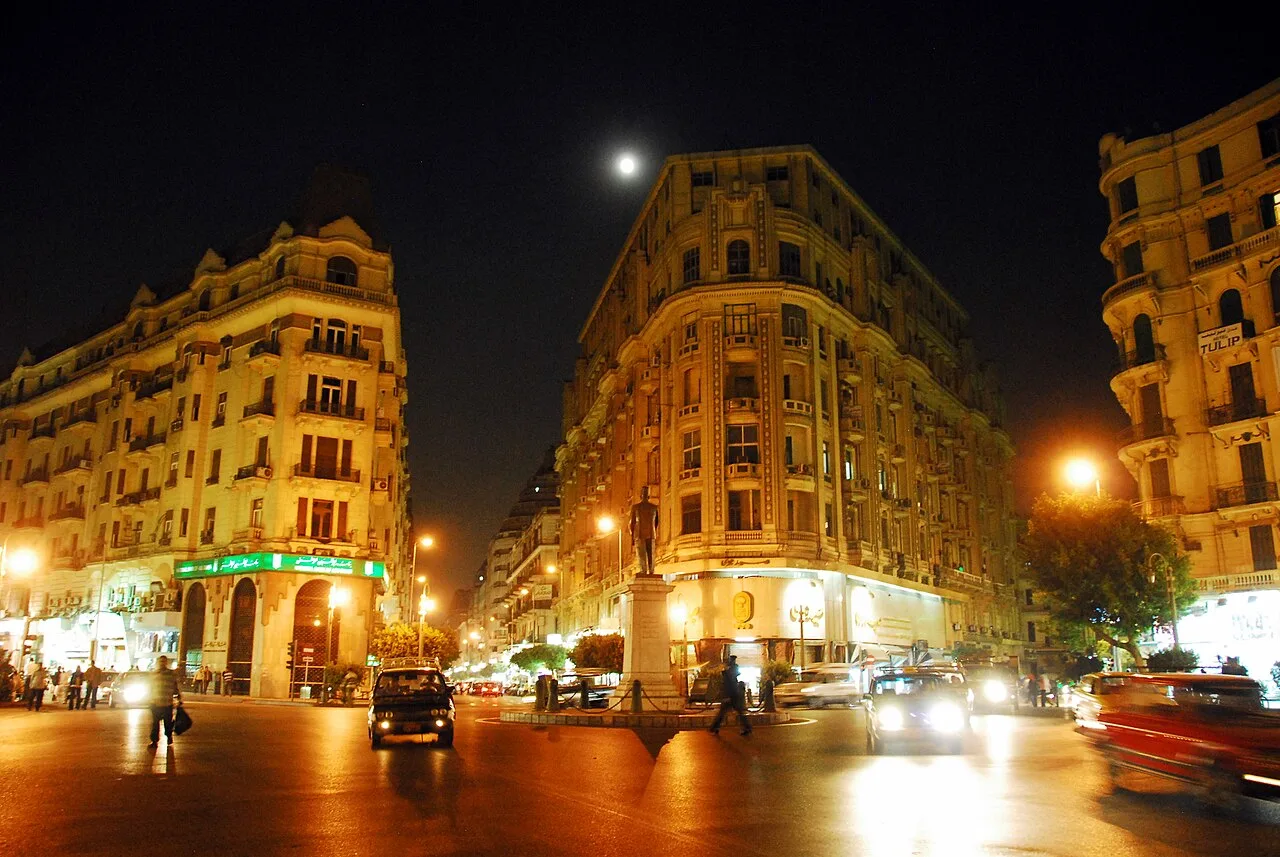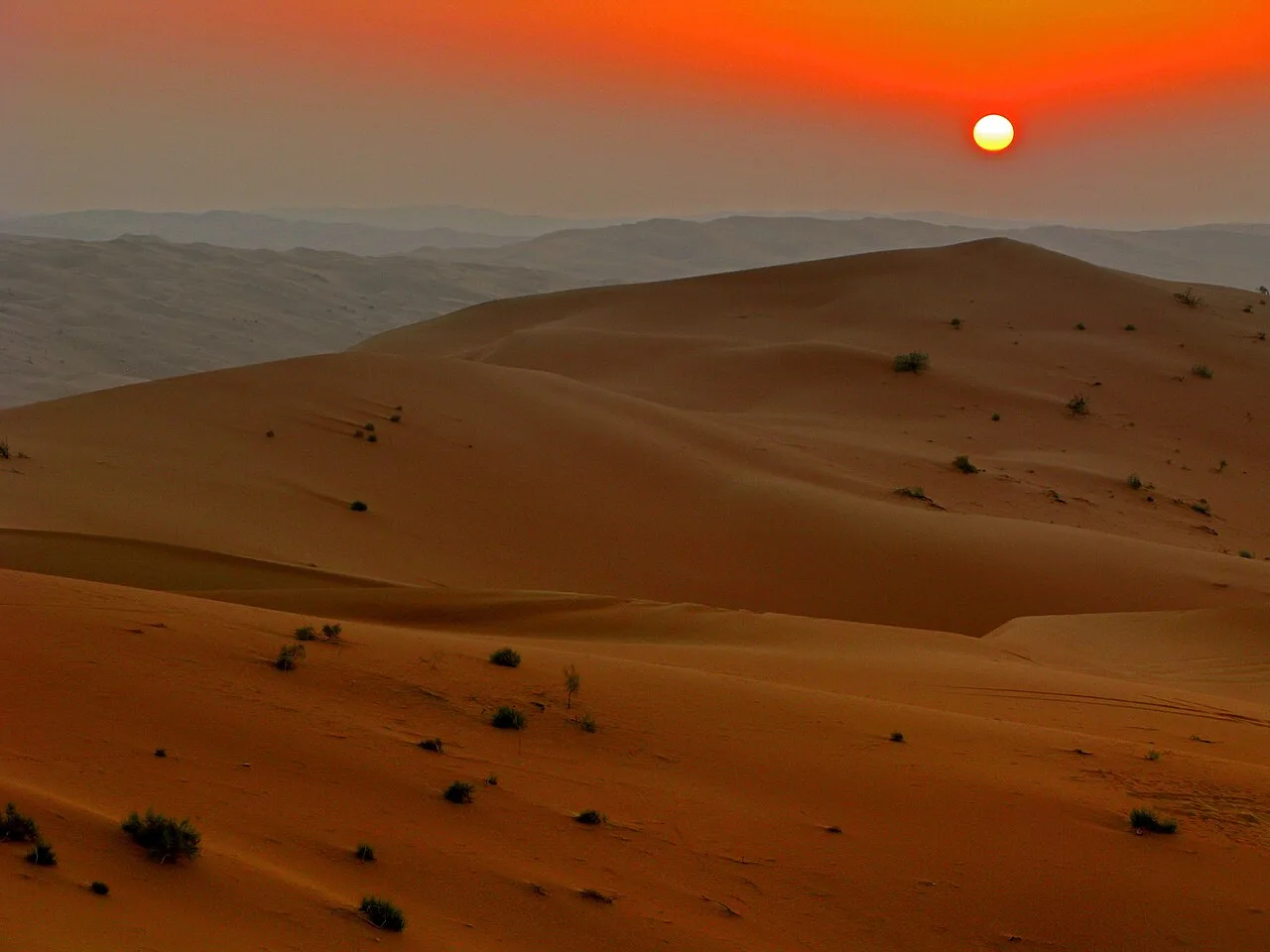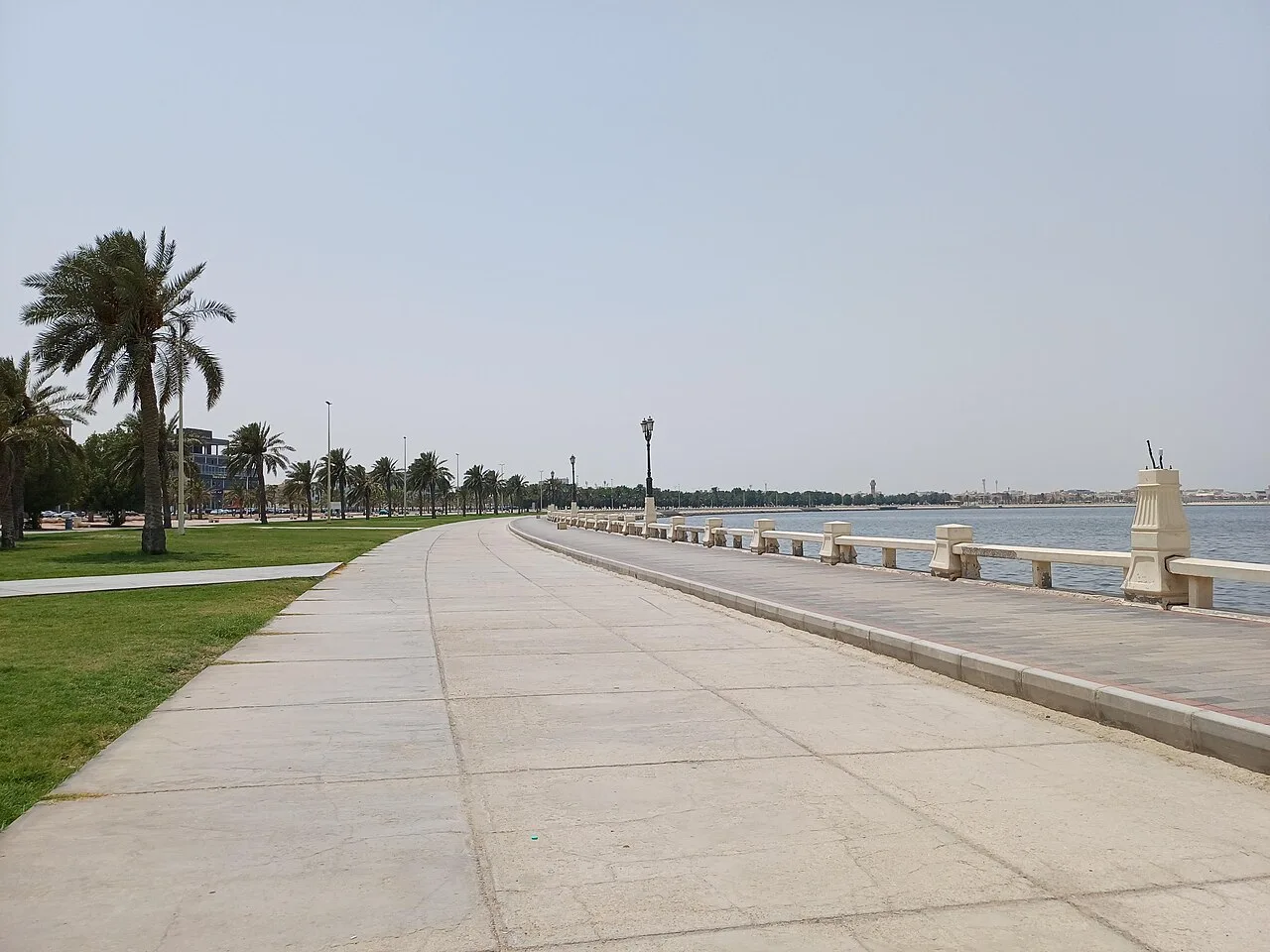
Dammam Corniche
Virtual asset linked to this landmark

- Virtual owner
- The platform
- Times sold
- 0
- Searches (30 days)
- 0
- Watching
- 0
Virtual ownership only. It gives no legal, financial or physical right in the real landmark. Prices are set by the market and may fall.
About Dammam Corniche and its history
A waterfront on the Arabian Gulf.
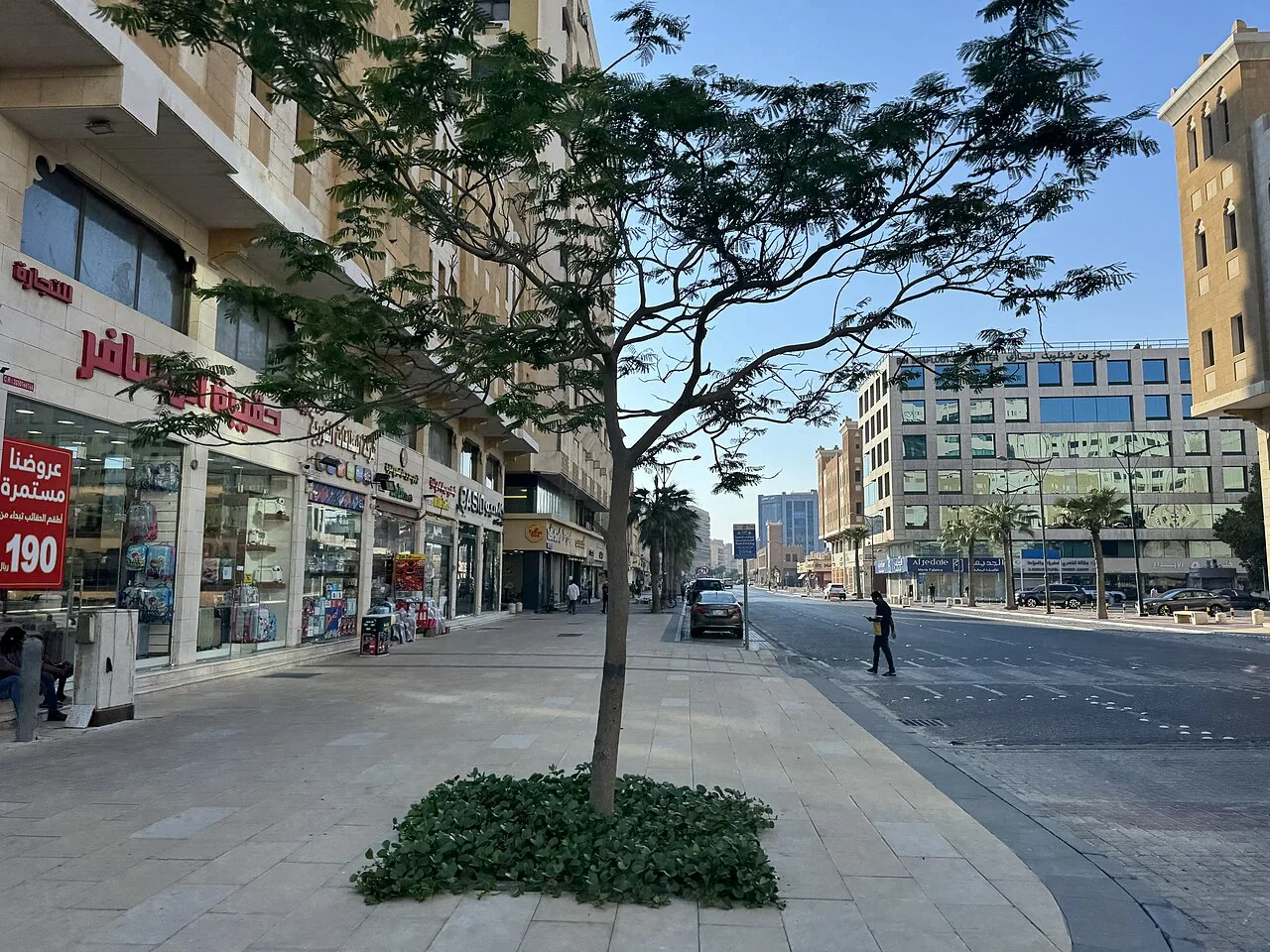
Dammam (Arabic: الدمام, romanized: ad-Dammām) is the seat and largest city of the Eastern Province of Saudi Arabia. An industrial port city on the coast of the Persian Gulf, it had a population of 1,386,166 as of 2022, making it the country's fifth-largest city after Riyadh, Jeddah, Mecca, and Medina. Dammam forms the core of the Dammam metropolitan area, also known as Greater Dammam, which includes the neighboring governorates of Khobar and Qatif. As of 2022, the metropolitan area's population was 2,743,318, making it the third-largest in the country.
Overview
The area that eventually became Dammam was settled by the Dawasir tribe around 1923, with permission from King Ibn Saud. The area was originally a fishing hamlet. It developed after the discovery of oil in the region, becoming a port city and an administrative center. Following the unification of Saudi Arabia, Dammam was made the capital of the newly formed Eastern Province.
Dammam is known for being a major administrative center for the Saudi oil industry, contributing to the export volume of the city's King Abdulaziz Port. With a cargo capacity of 2,038,787 TEUs as of 2022, the port is the second-largest on the Persian Gulf, the third-largest in Saudi Arabia, and the eighth-largest in the Middle East and North Africa by cargo capacity.
The city and the rest of the Eastern Province are served by King Fahd International Airport (KFIA), the largest airport in the world in terms of land area (approximately 780 km2 [300 sq mi]), located about 31 km (19 mi) northwest of the city.
In 1866, the United Kingdom of Great Britain and Ireland launched an attack on the fort at Dammam, which was under the control of the Second Saudi state. The British forces were ultimately defeated, and the attack was repelled.
The planning of drilling wells in Dammam started in the spring of 1933 in Jeddah, when an oil concession agreement was signed by both the government of King Abdulaziz and the representatives of The Standard Oil Company of California. A team of geologists was sent to Dammam. They finalized their plans for the wells in the beginning of June 1934. The work on the cellar for the first drilling rig in Dammam started approximately in January 1935, and ended on 19 February 1935. On 30 April 1935, the work began on drilling the first oil well in Dammam. When Dammam No. 1 didn't produce promising result, the work on it stopped on 4 January 1936, and Dammam No. 2 was drilled. Because of the promising results, there were plans to drill 5 more wells in the surrounding area of Dammam No. 2. Between June and early September 1936, the production of all of these drills were monitored closely, and most of them were disappointing. On 7 December 1936, the work started on Dammam No. 7. At the beginning the drilling didn't produce promising results. However, by 4 March 1938, Well No. 7 started producing a promising amount of oil. Saudi Aramco dug the famous Dammam No.
Information source: Wikipedia · rewritten and edited by Maalem; available under CC BY-SA 4.0
- Location
- Dammam, Saudi Arabia
- Coordinates
- 26.4700, 50.1200
- Category
- Districts, Streets & Markets
Price & ownership history
Landmarks near Dammam Corniche
Map →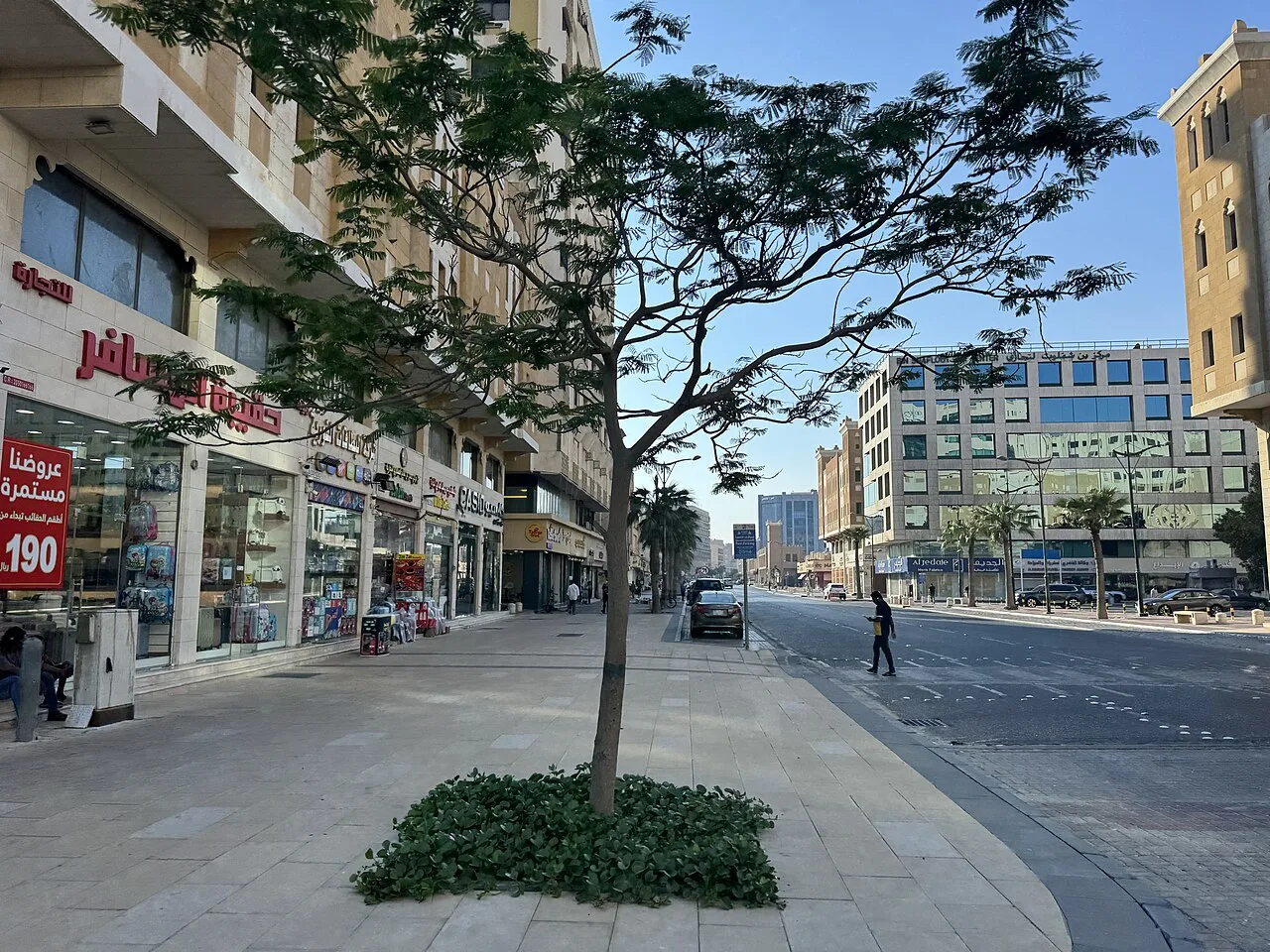 Available
 Available
 Available
 Available
📖 30 K reads
Available
📖 30 K reads