Uqair Port
Virtual asset linked to this landmark

- Virtual owner
- The platform
- Times sold
- 0
- Fame on Wikipedia
- 5,158 article reads in 12 months
- Searches (30 days)
- 0
- Watching
- 0
Virtual ownership only. It gives no legal, financial or physical right in the real landmark. Prices are set by the market and may fall.
About Uqair Port and its history
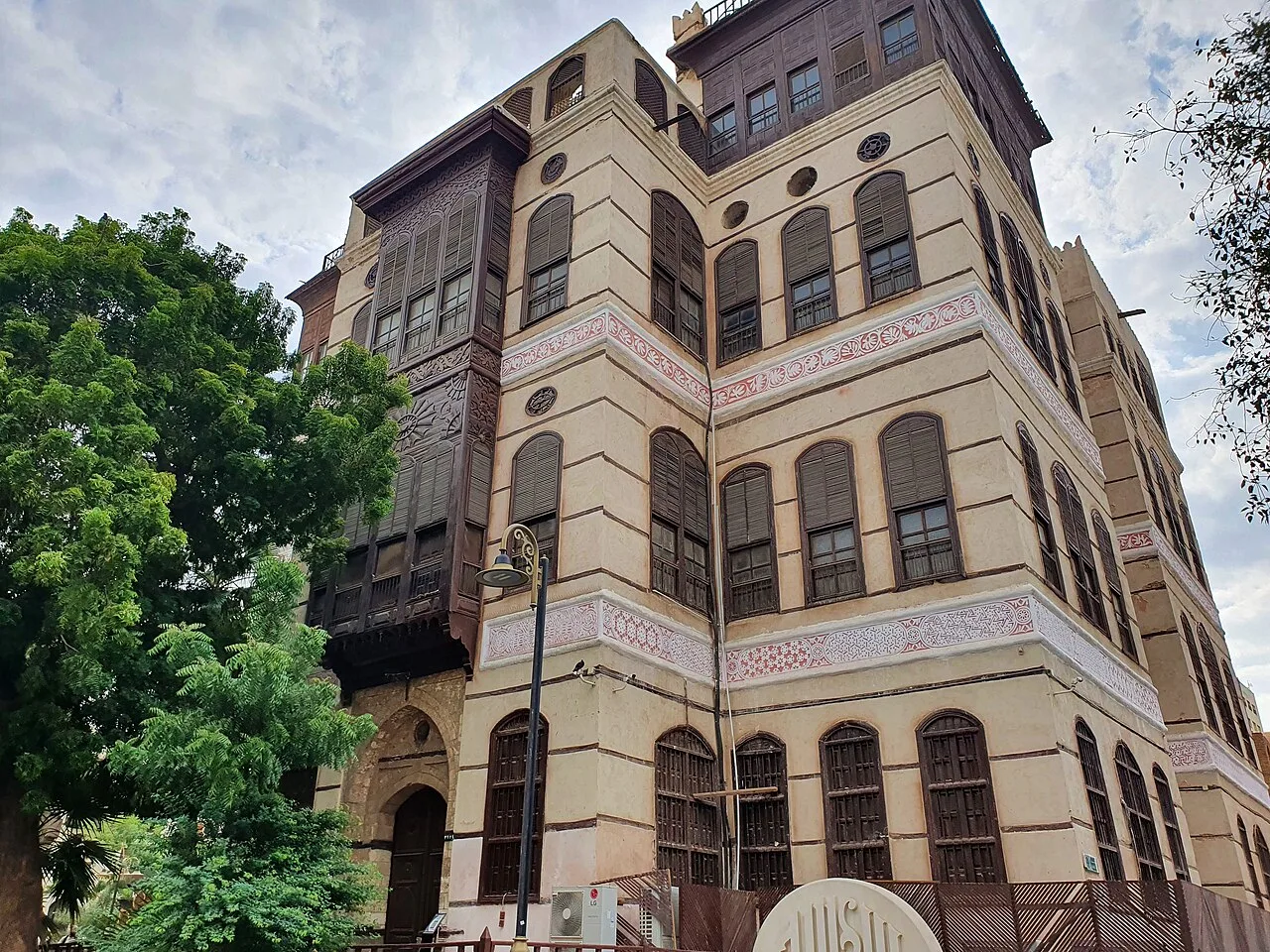
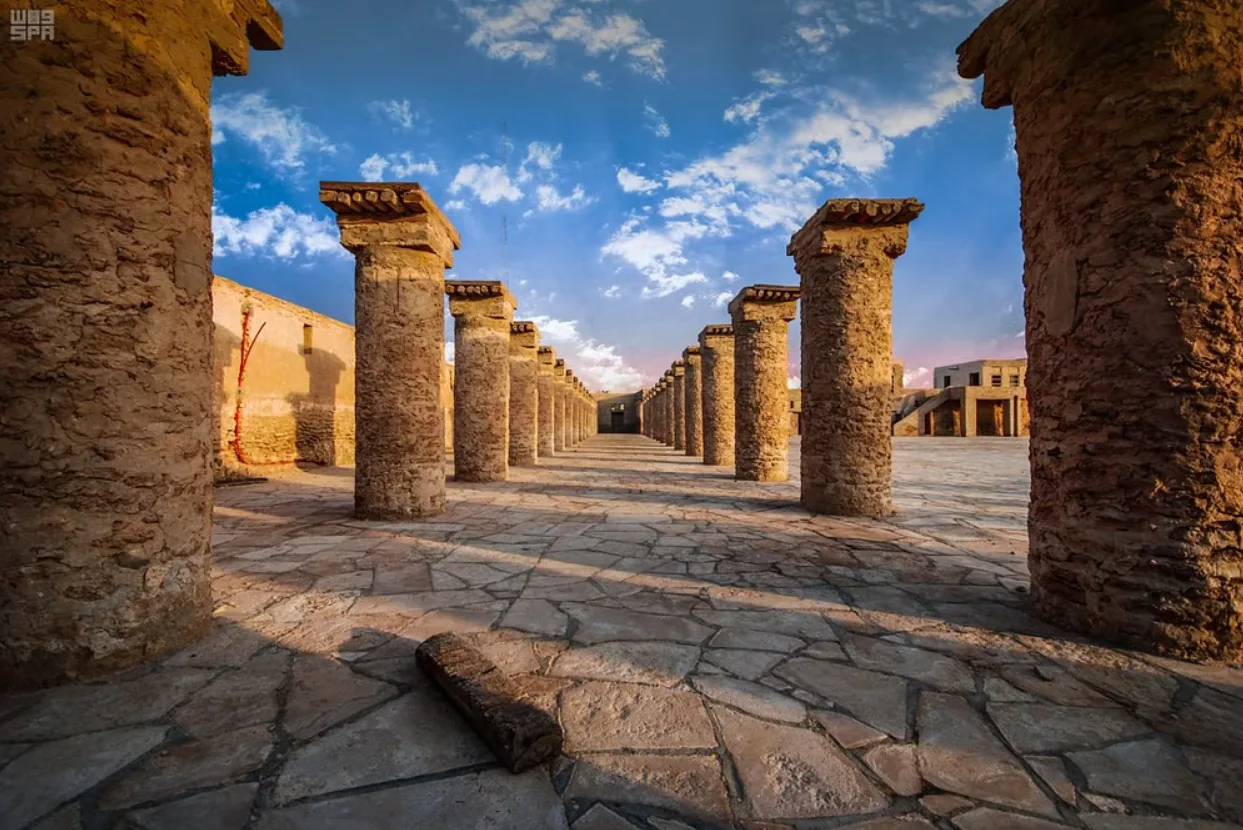
An old port on the Arabian Gulf with historic buildings.
Uqair (Arabic: العقير), also transliterated as al-'Uqair, Uqayr, and Ogair, is an ancient seaport located in the Al-Ahsa Governorate of the Eastern Province of Saudi Arabia. Situated on the Persian Gulf coast, it is considered one of the earliest seaports in the region and has been linked to the ancient city of Gerrha mentioned in classical Greek and Roman sources. Uqair is also notable as the site of the 1922 Uqair Protocol, a significant event in the establishment of modern Saudi Arabia's borders. Today, Uqair is recognized for its archaeological remains, historical importance, and natural features. Its strategic location opposite the Al-Ahsa Oasis made it a vital link for sea trade with Bahrain and a key entry point for caravans to inland regions until the 1930s.
Etymology
The name "Uqair" is attributed to the Ajaru (Arabic: أجاروا) or Ajeeru (Arabic: عجيروا) tribe that inhabited the region in the first millennium BC. It is believed that the name was altered to "Uqair" due to a common practice in the Gulf dialect of substituting certain letters, such as replacing the "qaf" (ق) with the "jeem" (ج), resulting in "Ajeer" instead of "Uqair."
History
Uqair's importance stemmed from its strategic location on a protected bay opposite the al-Hasa Oasis. Al Uqayr was a vital link for sea trade with Bahrain, the Gulf's shipping and political hub. Until the 1930s, when road connections to Dammam, Qatif, and al-Hasa were established, most imports for Hofuf and inland regions passed through Al Uqayr via caravans.
Uqair has been associated with the ancient city of Gerrha, a wealthy merchant city described by classical authors such as Strabo and Pliny the Elder. Gerrha was a key player in the incense trade, connecting Arabia with Mesopotamia, India, and beyond. While the exact location of Gerrha remains debated, Uqair has been proposed as a potential candidate due to its proximity to the Al-Ahsa Oasis and its position along ancient trade routes. However, archaeological findings from a 1968 Danish expedition indicate that the Uqair ruins date to a later, Islamic period.
Archaeological evidence suggests that Uqair was part of a broader network of settlements in the region, including Dilmun and Thaj . The area's access to fresh water from the Al-Ahsa Oasis and its coastal location made it an ideal site for a trading port.
Ancient Gerrha has been associated with several locations. The notorious shifting sands of the desert have made it difficult to locate the trading emporium, well described in general history and archeological texts. Even though Uqair is the present location of what is believed to be an Islamic fort, the whole region twenty miles north of the current structure was also referred to as Uqair, or Gerrha, long before the fort was built.
Information source: Wikipedia · rewritten and edited by Maalem; available under CC BY-SA 4.0
- Location
- Al-Ahsa, Saudi Arabia
- Coordinates
- 25.6440, 50.2130
- Category
- Historic Landmarks
Source: Wikipedia · Factual information about the real landmark; unrelated to virtual ownership.
Price & ownership history
Landmarks near Uqair Port
Map → Available
📖 6 K reads
Available
📖 6 K reads
 Available
 Available
 Available