Fustat
Virtual asset linked to this landmark

- Virtual owner
- The platform
- Times sold
- 0
- Fame on Wikipedia
- 53,348 article reads in 12 months
- Searches (30 days)
- 0
- Watching
- 0
Virtual ownership only. It gives no legal, financial or physical right in the real landmark. Prices are set by the market and may fall.
About Fustat and its history
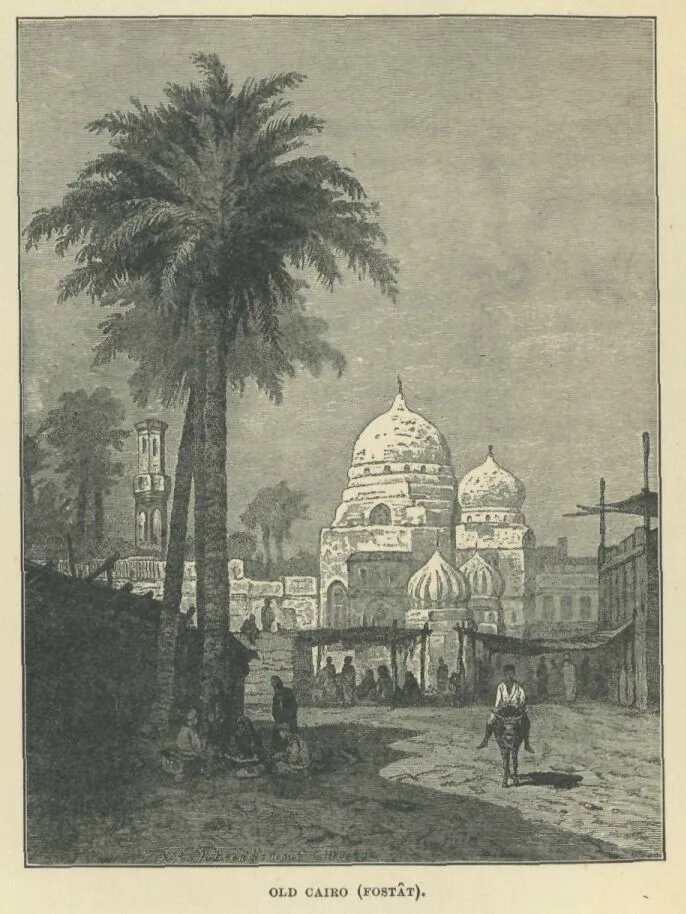
The site of the first capital of Islamic Egypt, founded by Amr ibn al-As in AD 641, with ruins surviving in Old Cairo.
Fusṭāṭ (Egyptian Arabic: الفسطاط, romanized: al-Fusṭāṭ) was the first capital of Egypt under Muslim rule, nowadays part of Cairo. It was built adjacent to what is now known as Old Cairo by the Rashidun Muslim general ʿAmr ibn ul-ʿĀṣ immediately after the Muslim conquest of Egypt in AD 641, and featured the Mosque of ʿAmr, the first mosque built in Egypt.
The city reached its peak in the 12th century, with a population of approximately 200,000. It was the centre of administrative power in Egypt, until it was ordered burnt in 1168 by its own vizier, Shawar, to keep its wealth out of the hands of the invading Crusaders. The remains of the city were eventually absorbed by nearby Cairo, which had been built to the north of Fustat in 969 when the Fatimids conquered the region and created a new city as a royal enclosure for the Caliph. The area fell into disrepair for hundreds of years and was used as a rubbish dump.
Today, Fustat is a suburb that lies within the modern district of Old Cairo, with few buildings remaining from its days as a capital. Many archaeological digs have revealed the wealth of buried material in the area. Many ancient items recovered from the site are on display in Cairo's Museum of Islamic Art.
Egyptian capital
Fustat was the capital of Egypt for approximately 500 years. After the city's founding in 641, its authority was uninterrupted until 750, when the Abbasid dynasty staged a revolt against the Umayyads. This conflict was focused not in Egypt, but elsewhere in the Arab world. When the Abbasids gained power, they moved various capitals to more controllable areas. They had established the centre of their caliphate in Baghdad, moving the capital from its previous Umayyad location at Damascus. Similar moves were made throughout the new dynasty. In Egypt, they moved the capital from Fustat slightly north to the Abbasid city of al-Askar, which remained the capital until 868. When the Tulunid dynasty took control in 868, the Egyptian capital moved briefly to another nearby northern city, al-Qatta'i. This lasted only until 905, when al-Qatta'i was destroyed and the capital was returned to Fustat. The city again lost its status as capital city and the capital of Egypt was moved to Cairo in 973, and its own vizier, Shawar, ordered its burning in 1168, fearing it might fall into the hands of Amalric, king of the Crusader Kingdom of Jerusalem.
Information source: Wikipedia · rewritten and edited by Maalem; available under CC BY-SA 4.0
- Location
- Cairo, Egypt
- Coordinates
- 30.0050, 31.2350
- Category
- Historic Landmarks
Source: Wikipedia · Factual information about the real landmark; unrelated to virtual ownership.
Price & ownership history
Landmarks near Fustat
Map →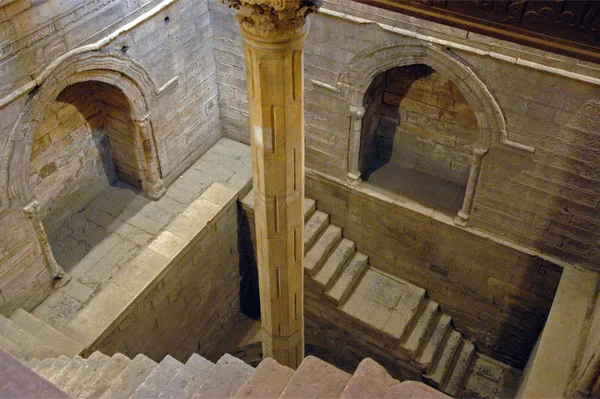 Available
📖 33 K reads
Available
📖 33 K reads
 Available
📖 2 K reads
Available
📖 2 K reads
 Available
📖 2 K reads
Available
📖 2 K reads
 Available
📖 6 K reads
Available
📖 6 K reads