Al-Muski
Virtual asset linked to this landmark

- Virtual owner
- The platform
- Times sold
- 0
- Fame on Wikipedia
- 548 article reads in 12 months
- Searches (30 days)
- 0
- Watching
- 0
Virtual ownership only. It gives no legal, financial or physical right in the real landmark. Prices are set by the market and may fall.
About Al-Muski and its history
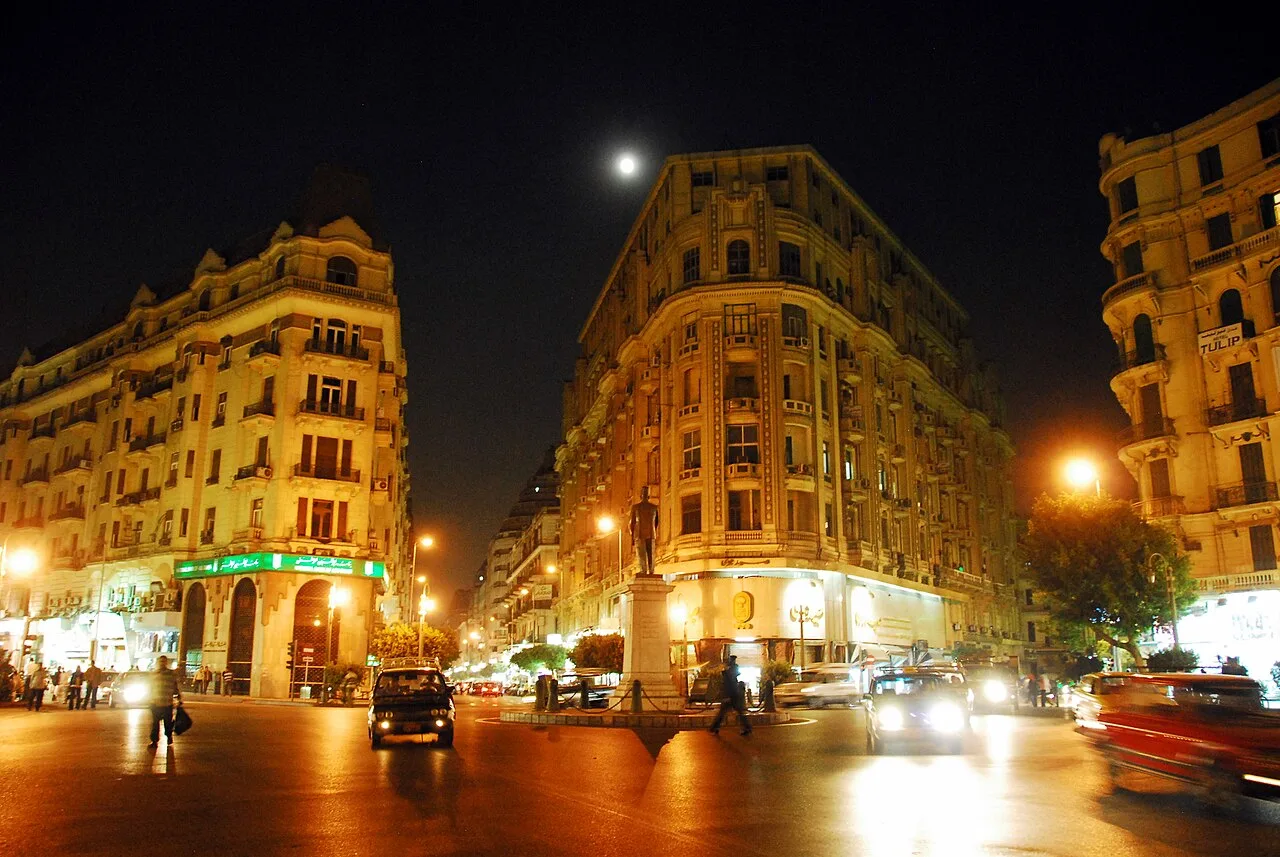
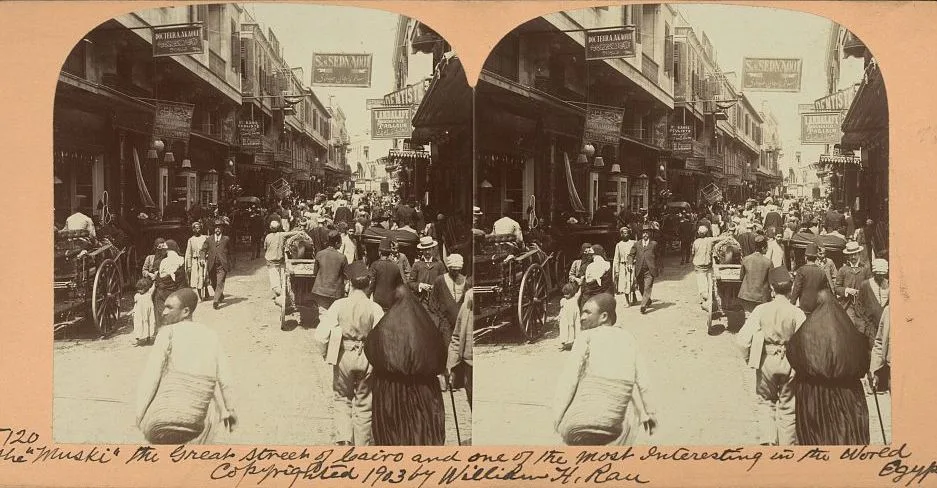
A busy traditional commercial area in central Cairo.
The Mushki (sometimes transliterated as Muški) were an Iron Age people of Anatolia who appear in sources from Assyria but not from the Hittites. Several authors have connected them with the Moschoi (Μόσχοι) of Greek sources and the Georgian tribe of the Meskhi. Josephus Flavius identified the Moschoi with the Biblical Meshech. Two different groups are called Muški in Assyrian sources (Diakonoff 1984:115), one from the 12th to the 9th centuries BC near the confluence of the Arsanias and the Euphrates ("Eastern Mushki") and the other from the 8th to the 7th centuries BC in Cappadocia and Cilicia ("Western Mushki"). Assyrian sources clearly identify the Western Mushki with the Phrygians, but later Greek sources then distinguish between the Phrygians and the Moschoi.
Identification of the Eastern Mushki with the Western Mushki is uncertain, but it is possible that at least some of the Eastern Mushki migrated to Cilicia in the 10th to the 8th centuries BC. Although almost nothing is known about what language (or languages) the Eastern or Western Mushki spoke, they have been variously identified as being speakers of a Phrygian, Armenian, Anatolian, or Georgian language.
Eastern Mushki
The Eastern Mushki appear to have moved into Hatti in the 12th century BC, around the time that the Hittite Empire collapsed.
Together with the Urumu and Kaskas (Apishlu), they attempted to invade the Middle Assyrian Empire's Anatolian provinces of Alzi (Alshe) and Puruhuzzi in about 1160 BC, but they were pushed back and subjugated by Ashur-Dan I. In 1115 BC, the Mushki advanced further, penetrating into Kadmuhi, along the Upper Tigris. After being turned away by Tiglath-pileser I, the Mushki apparently settled in Alzi.
Whether the Mushki initially moved into the core Hittite areas from the east or west has been a matter of some discussion by historians. It has been speculated that the Mushki were connected to the spread of the so-called Transcaucasian ceramic ware, which appeared as far west as modern Elazığ, Turkey in the late second millennium BC. This ceramic ware is believed to have been developed in the South Caucasus region, possibly by the Trialeti-Vanadzor culture originally, which suggests an eastern homeland for the Mushki.
Information source: Wikipedia · rewritten and edited by Maalem; available under CC BY-SA 4.0
- Location
- Cairo, Egypt
- Coordinates
- 30.0500, 31.2560
- Category
- Districts, Streets & Markets
Source: Wikipedia · Factual information about the real landmark; unrelated to virtual ownership.
Price & ownership history
Landmarks near Al-Muski
Map → Available
📖 1 K reads
Available
📖 1 K reads
 Available
📖 84 K reads
Available
📖 84 K reads
 Available
📖 7 K reads
Available
📖 7 K reads
 Available
📖 8 K reads
Available
📖 8 K reads