Qasr Ibrim
Virtual asset linked to this landmark

- Virtual owner
- The platform
- Times sold
- 0
- Fame on Wikipedia
- 9,560 article reads in 12 months
- Searches (30 days)
- 0
- Watching
- 0
Virtual ownership only. It gives no legal, financial or physical right in the real landmark. Prices are set by the market and may fall.
About Qasr Ibrim and its history
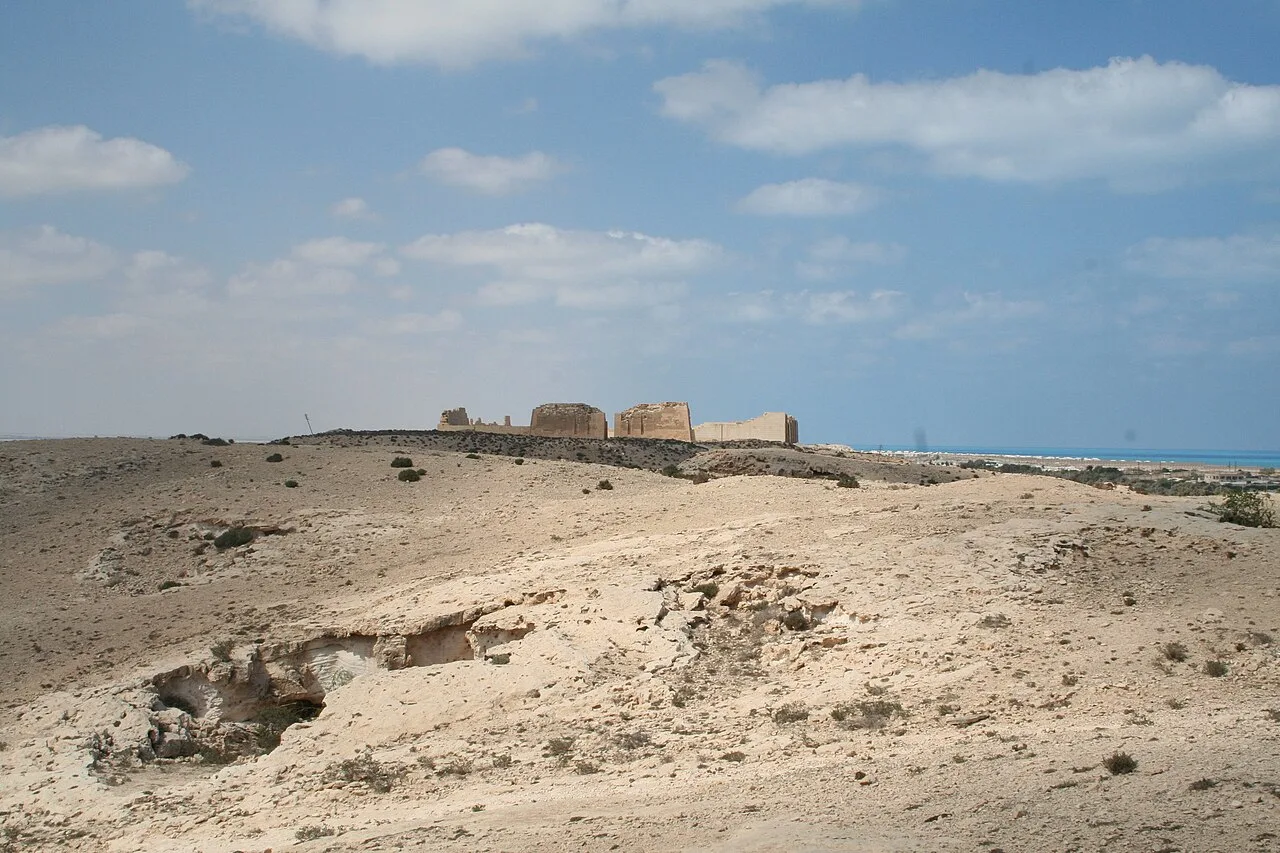
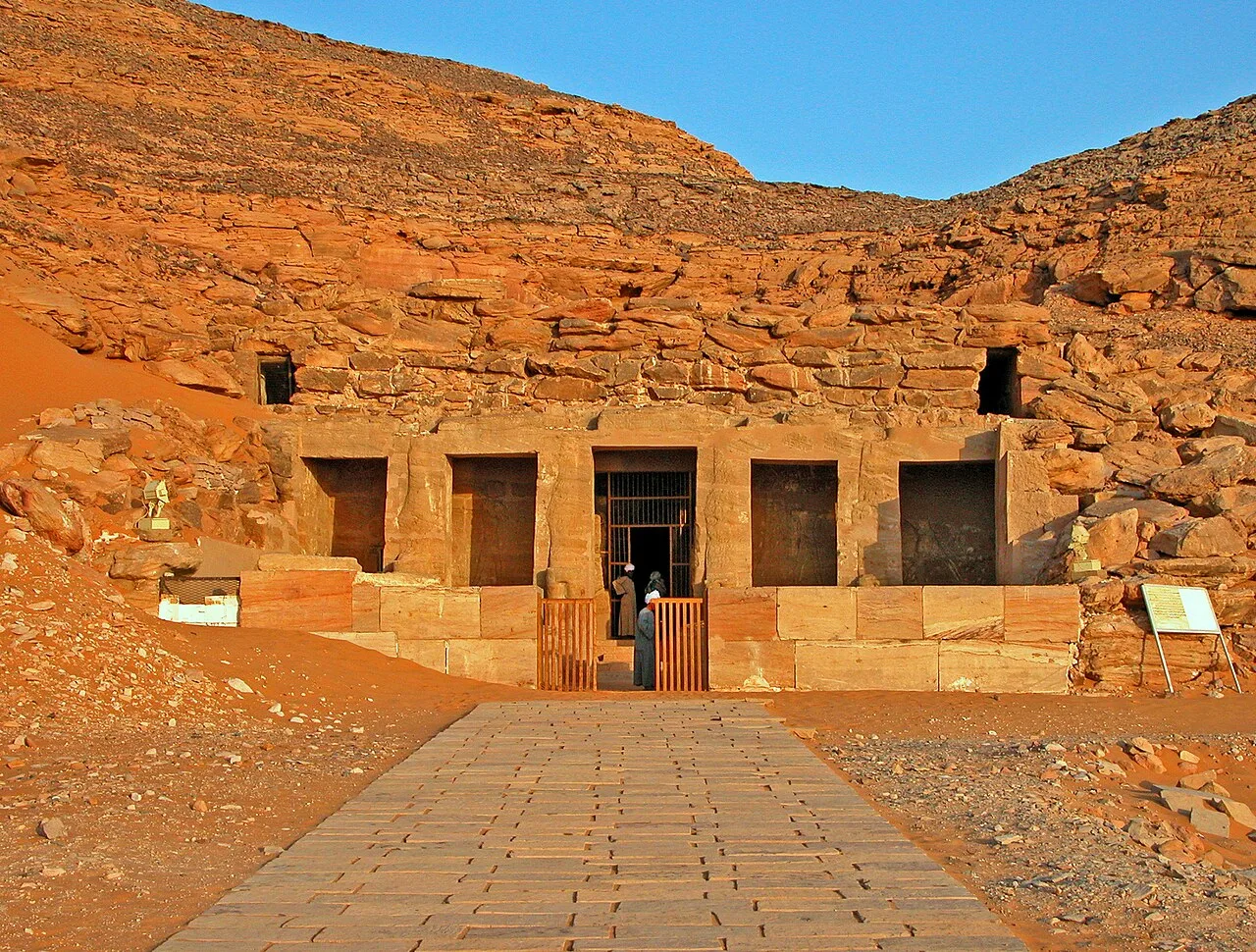
The site of an ancient fortified town in Nubia, now an island in Lake Nasser and one of the few sites left in its original position.
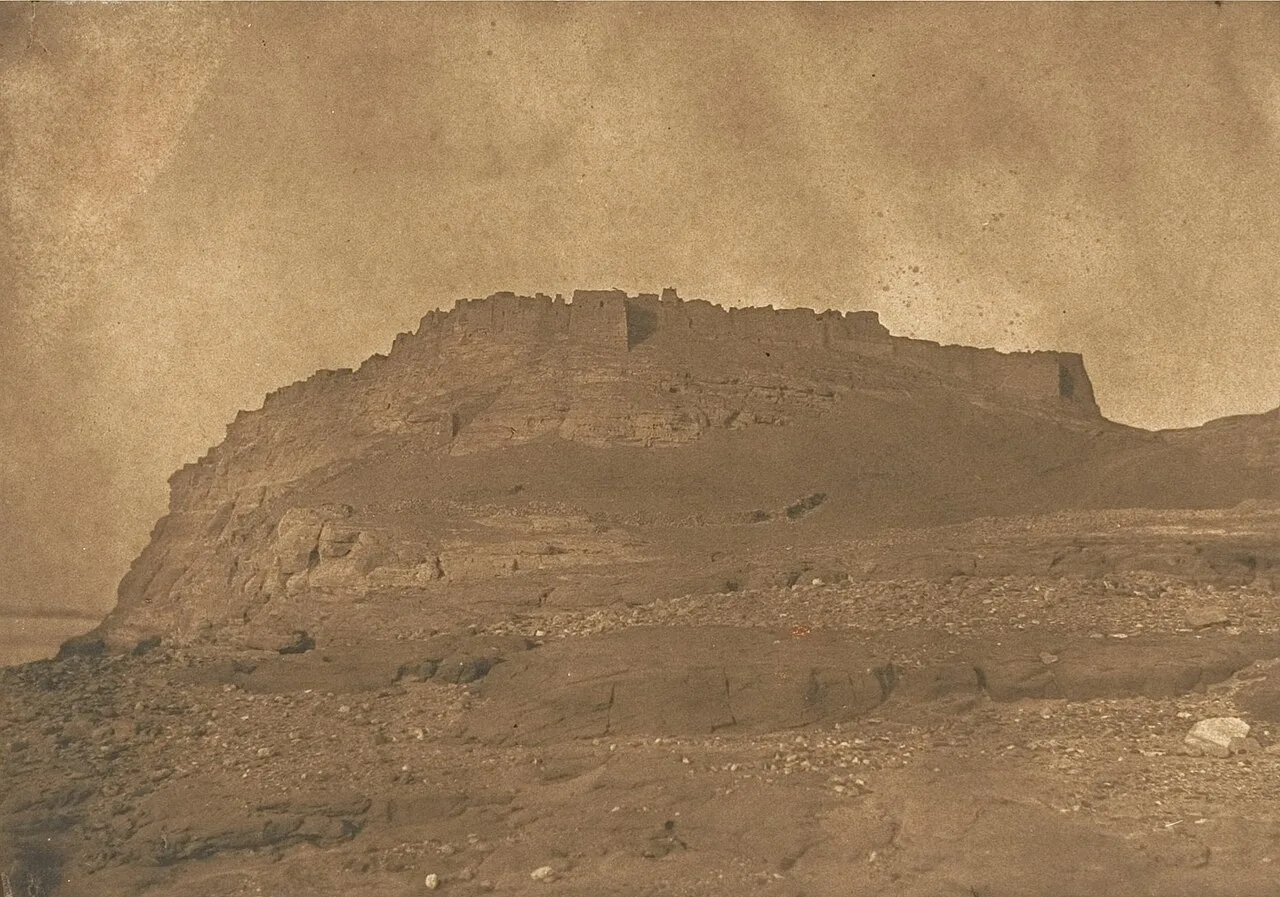
Qasr Ibrim (Arabic: قصر ابريم; Meroitic: Pedeme; Old Nubian: ⲥⲓⲗⲙⲓ, Silmi; Coptic: ⲡⲣⲓⲙ, Prim; Ancient Greek: Πρῖμις, Prímis; Latin: Primis) is an archaeological site in Lower Nubia, located in the modern country of Egypt. The site has a long history of occupation, ranging from as early as the eighth century BC to AD 1813, and was an economic, political, and religious center. Originally it was a major city perched on a cliff above the Nile, but the flooding of Lake Nasser after the construction of the Aswan High Dam – with the related International Campaign to Save the Monuments of Nubia – transformed it into an island and flooded its outskirts. Qasr Ibrim is the only major archaeological site in Lower Nubia to have survived the Aswan Dam floods. Both prior to and after the floods, it has remained a major site for archaeological investigations.
Human habitation at the site dates from the Late Period of ancient Egypt, but it reached its greatest prominence in the Middle Ages, when the area was the home of the Eparch of Nobatia. Qasr Ibrim is the source of the largest collection of Old Nubian documents ever found, including the records of the Eparch. The site was occupied until 1813, when the last occupants were driven out by artillery fire. Today the island is closed to all but archaeologists.
Egypt's influence in Nubia began around 2,000 BC, when Egyptian invaded and claimed sovereignty over the area. Many Egyptian artifacts and evidence of Egyptian architecture have been found at Qasr Ibrim. The earliest inscription at the site is a stela, a stone or wooden slab, from the reign of Amenhotep I. The stela was found in a now-ruined Christian Byzantine cathedral at Qasr Ibrim where it had been reused in one of the church's crypts. The stela is now located in the British Museum.
The site was partly rebuilt "under the prefecture of Gaius Petronius during Augustus' reign." Qasr Ibrim played a key role in Rome's defense of the Aswan region, and was likely held until AD 100 or later. The fortress, constructed by Roman military engineers, was the strongest in the Nile Valley at this time.
During Roman times the town was one of the last bastions of paganism, its six temples converting to Christianity two centuries later than the rest of Egypt. It then became one of the main Christian centers in Lower Nubia. Christianity first came to Qasr Ibrim in the 6th century, but had little effect. It wasn't until the city became part of the kingdom of Makuria, in the early 8th century, that Qasr Ibrim became a center for Christianity. This continued even through the fifteenth century when the Makurian kingdom became Islamic. The city held out against Islam until the 16th century, when a unit of Bosnian soldiers, part of the Ottoman army, occupied the site. The Bosnian soldiers stayed on and eventually married into the local Nubian community, using part of the cathedral as a mosque.
Two churches remain on the site.
Information source: Wikipedia · rewritten and edited by Maalem; available under CC BY-SA 4.0
- Location
- Aswan, Egypt
- Coordinates
- 22.6497, 31.9925
- Category
- Ancient Sites
Source: Wikipedia · Factual information about the real landmark; unrelated to virtual ownership.
Price & ownership history
Landmarks near Qasr Ibrim
Map → Available
📖 5 K reads
Available
📖 5 K reads
 Available
📖 3 K reads
Available
📖 3 K reads
 Available
📖 243 K reads
Available
📖 243 K reads
 Available
📖 58 K reads
Available
📖 58 K reads