Nekhen (Hierakonpolis)
Virtual asset linked to this landmark

- Virtual owner
- The platform
- Times sold
- 0
- Fame on Wikipedia
- 14,206 article reads in 12 months
- Searches (30 days)
- 0
- Watching
- 0
Virtual ownership only. It gives no legal, financial or physical right in the real landmark. Prices are set by the market and may fall.
About Nekhen (Hierakonpolis) and its history
The site of the Predynastic capital of Upper Egypt on the west bank of the Nile, where the Narmer Palette was found.
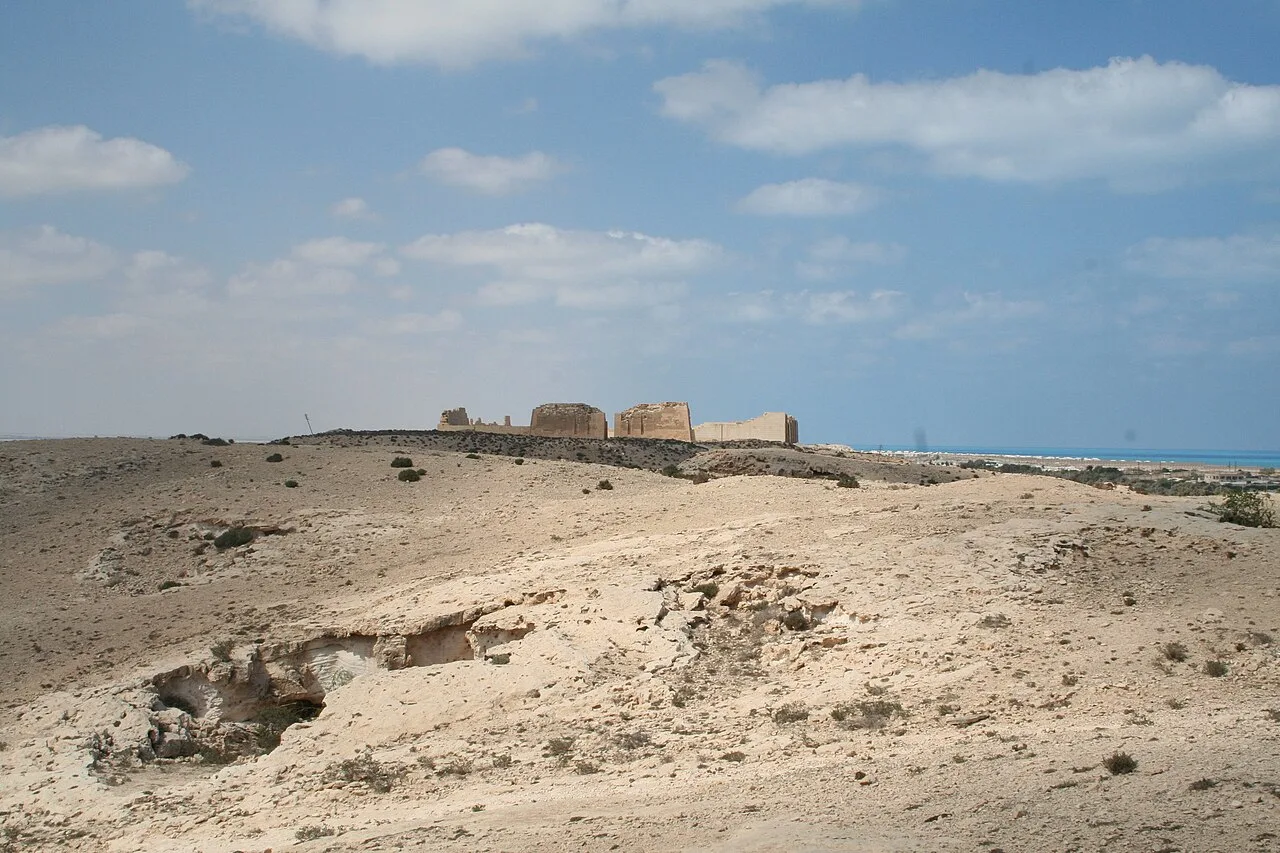
Nekhen (, Ancient Egyptian: nḫn), also known as Hierakonpolis (; Greek: Ἱεράκων πόλις, romanized: Hierákōn pólis, meaning City of Hawks or City of Falcons, a reference to Horus; Egyptian Arabic: الكوم الأحمر, romanized: el-Kōm el-Aḥmar, lit. 'the Red Mound') was the religious and political capital of Upper Egypt at the end of prehistoric Egypt (c. 3200–3100 BC) and probably also during the Early Dynastic Period (c. 3100–2686 BC).
Located in Upper Egypt about 100 kilometers south of the modern-day city of Luxor, Nekhen has been the subject of extensive archeological research over the past one and half centuries, and has yielded a large number of artifacts that give a greater understanding to this period of ancient Egyptian history. The city was the center of cult worship of the god Horus, who is said to have his origins in Nekhen as its tutelary deity. Tombs, temples, breweries, houses, and other structures have all been discovered that date back to the predynastic era. The oldest known tomb with painted decoration, known as the Painted Tomb, is located in Nekhen and is thought to date to c. 3500–3200 BC. It shares distinctive imagery with artifacts from the Gerzeh culture. Nekhen was also the discovery location for the Narmer Palette, which contains one of the first depictions of ancient Egyptian kingship, in addition to an array of other artifacts from the predynastic period.
History
The first settlement at Nekhen dates from either the predynastic Amratian culture (c. 4400 BC) or the late Badarian culture (c. 5000 BC). At its height, from c. 3400 BC, Nekhen had at least 5,000 and possibly as many as 10,000 inhabitants. Most of Upper Egypt then became unified under rulers from Abydos during the Naqada III period (3200–3000 BCE) at the expense of rival cities, especially Nekhen (Hierakonpolis). The conflicts leading to the supremacy of Abydos may be what appear on numerous reliefs from the Naqada II period, such as the Gebel el-Arak Knife, or the frieze of Tomb 100 at Nekhen.
Nekhen was the center of the cult of a falcon deity, Horus of Nekhen, and raised one of the most ancient Egyptian temples in Egypt. It was here that the body of Horus was supposedly entombed, and Horus was often deeply connected and associated with Nekhen and Upper Egypt in general. Given Horus' vital importance in the Egyptian pantheon and for monarchical legitimacy, Nekhen retained its importance as the center for this divine patron of the kings long after the site had otherwise declined.
There are later tombs at Nekhen, dating to the Middle Kingdom, Second Intermediate Period, and New Kingdom. In the painted tomb of Horemkhauef a biographical inscription reporting a journey to the capital by him was found. He lived during the Second Intermediate Period.
Information source: Wikipedia · rewritten and edited by Maalem; available under CC BY-SA 4.0
- Location
- Aswan, Egypt
- Coordinates
- 25.0972, 32.7794
- Category
- Ancient Sites
Source: Wikipedia · Factual information about the real landmark; unrelated to virtual ownership.
Price & ownership history
Landmarks near Nekhen (Hierakonpolis)
Map → Available
📖 2 K reads
Available
📖 2 K reads
 Available
📖 47 K reads
Available
📖 47 K reads
 Available
 Available
📖 8 K reads
Available
📖 8 K reads