Buto (Tell el-Fara'in)
Virtual asset linked to this landmark

- Virtual owner
- The platform
- Times sold
- 0
- Fame on Wikipedia
- 14,269 article reads in 12 months
- Searches (30 days)
- 0
- Watching
- 0
Virtual ownership only. It gives no legal, financial or physical right in the real landmark. Prices are set by the market and may fall.
About Buto (Tell el-Fara'in) and its history
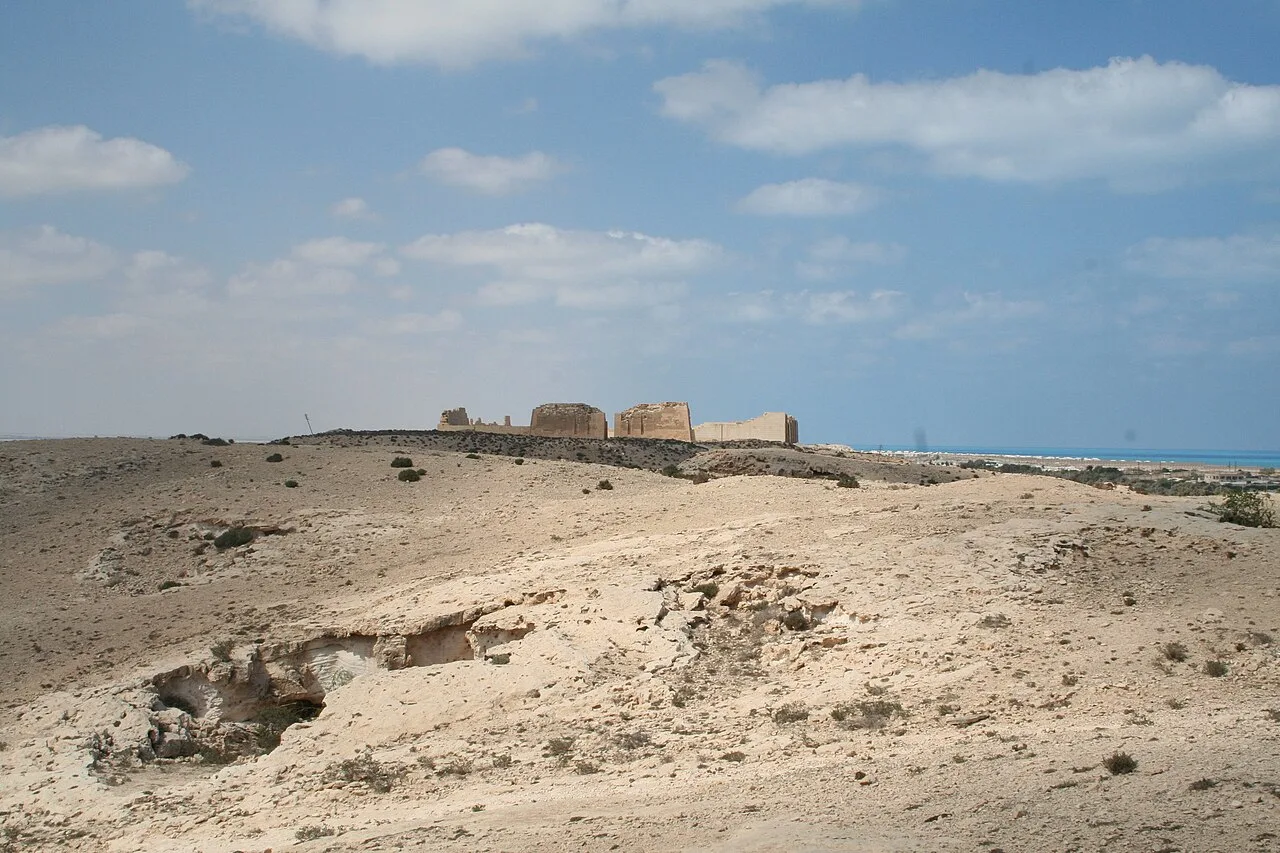
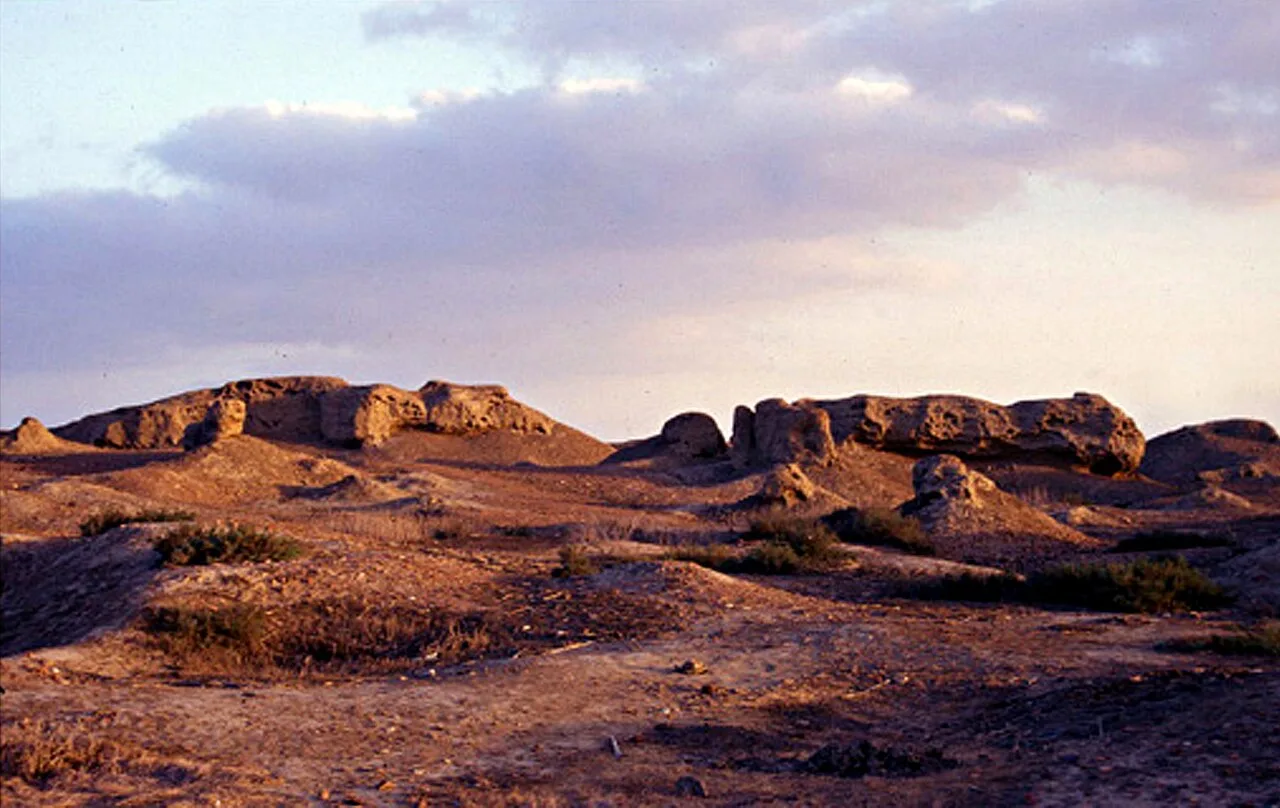
Ruins of an ancient city in the northern Delta that was the cult centre of the goddess Wadjet, protector of Lower Egypt.
Buto (Ancient Greek: Βουτώ, Arabic: بوتو, Butu), Bouto, Butus (Ancient Greek: Βοῦτος, Boutos) or Butosus was a city that the Ancient Egyptians called Per-Wadjet. It was located 95 km east of Alexandria in the Nile Delta of Egypt. What in classical times the Greeks called Buto, stood about midway between the Taly (Bolbitine) and Thermuthiac (Sebennytic) branches of the Nile, a few kilometers north of the east-west Butic River, and on the southern shore of the Butic Lake (Greek: Βουτικὴ λίμνη, Boutikē limnē).
Today, it is called Tell El Fara'in ("Hill of the Pharaohs"), near the villages of Ibtu (or Abtu), Kom Butu, and the city of Desouk (Arabic: دسوق).
History
Buto was a sacred site in dedication to the goddess Wadjet. It was an important cultural site during prehistoric Egypt (before 3100 BCE).
The Buto-Maadi culture was the most important Lower Egyptian prehistoric culture, dating from 4000–3500 BC, and contemporary with Naqada I and II phases in Upper Egypt. The culture was best known from the site Maadi near Cairo, but was also attested in many other places in the Delta to the Faiyum region. This culture was marked by development in architecture and technology.
The culture of Buto was strongly marked by Levantine influences, in particular in the area of ceramics. Decorative fired clay cones from Buto, used to make mosaics, were similar to those found in Mesopotamia at Uruk.
Archaeological evidence shows that the Upper Egyptian Naqada culture replaced the Buto-Maadi culture (also known as the "Lower Egyptian Cultural Complex"), perhaps after a conquest. More recently, scholars have expressed reservations about this; they pointed out that, in the Delta, there was a considerable transitional phase.
The unification of Lower Egypt and Upper Egypt into one entity is now considered to be a more complex process than previously thought.
In the earliest records about the region, it contained two cities, Pe and Dep. Eventually, they merged into one city that the Ancient Egyptians named Per-Wadjet.
The goddess Wadjet was the patron deity of Lower Egypt and her oracle was located in her renowned temple in this area. An annual festival was held there that celebrated Wadjet. The area also contained sanctuaries of Horus and Bast, and much later, the city became associated with Isis.
Due to similarities, many deities had parallel identities and roles and merged into a unified pantheon of deities. That was not the case with patron deities, however. The patron deity of Lower Egypt, Wadjet, was represented as a cobra. The patron deity of Upper Egypt, Nekhbet, was depicted as a white vulture. Their separate cultural statures were such essential features that they never merged when the two cultures unified. There were so many deities with similar roles or natures from the religious beliefs of the two unified regions.
Information source: Wikipedia · rewritten and edited by Maalem; available under CC BY-SA 4.0
- Location
- Rosetta, Egypt
- Coordinates
- 31.1961, 30.7444
- Category
- Ancient Sites
Source: Wikipedia · Factual information about the real landmark; unrelated to virtual ownership.
Price & ownership history
Landmarks near Buto (Tell el-Fara'in)
Map → Available
📖 23 K reads
Available
📖 23 K reads
 Available
📖 39 K reads
Available
📖 39 K reads
 Available
📖 13 K reads
Available
📖 13 K reads