Oxyrhynchus (El Bahnasa)
Virtual asset linked to this landmark

- Virtual owner
- The platform
- Times sold
- 0
- Fame on Wikipedia
- 45,312 article reads in 12 months
- Searches (30 days)
- 0
- Watching
- 0
Virtual ownership only. It gives no legal, financial or physical right in the real landmark. Prices are set by the market and may fall.
About Oxyrhynchus (El Bahnasa) and its history
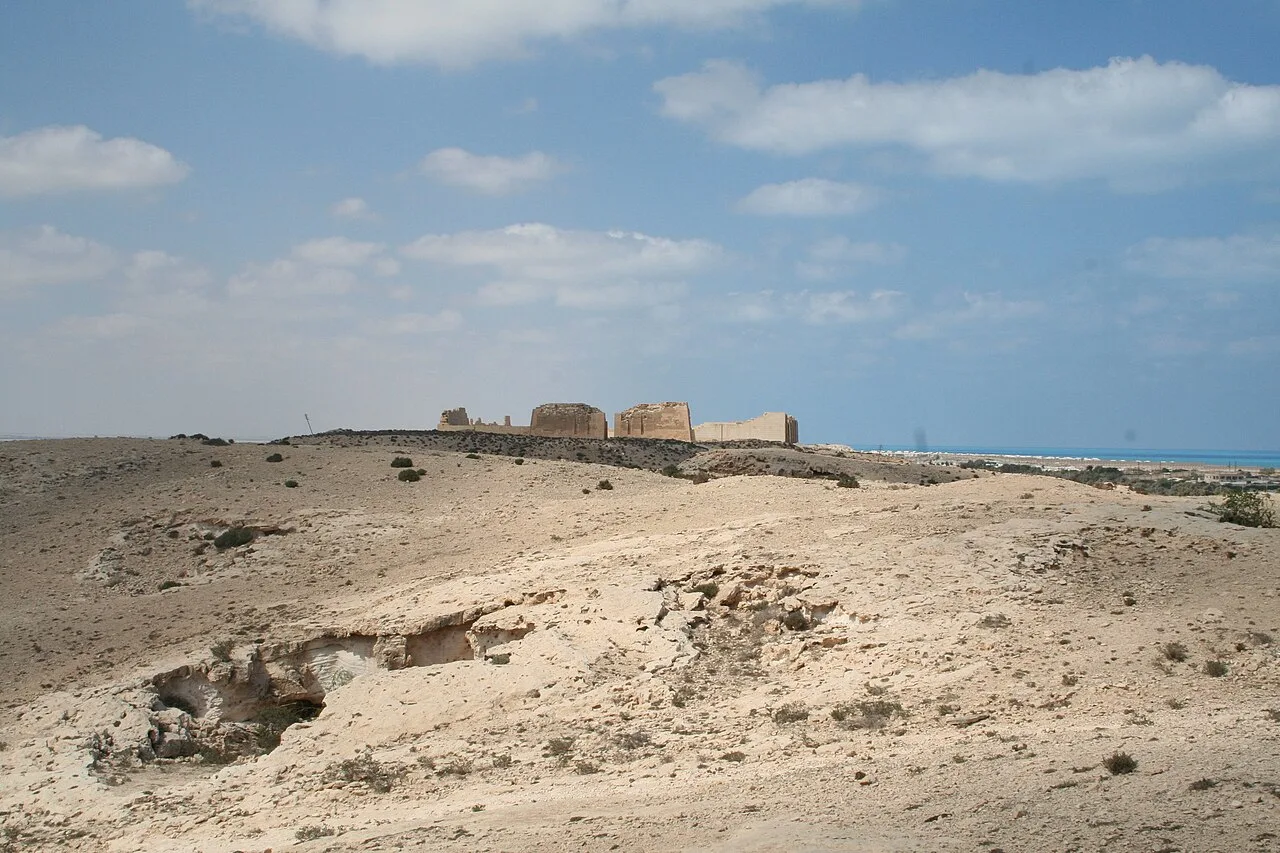
The site of an ancient city at El Bahnasa, famous for the thousands of Greek papyri discovered by Grenfell and Hunt from 1896.
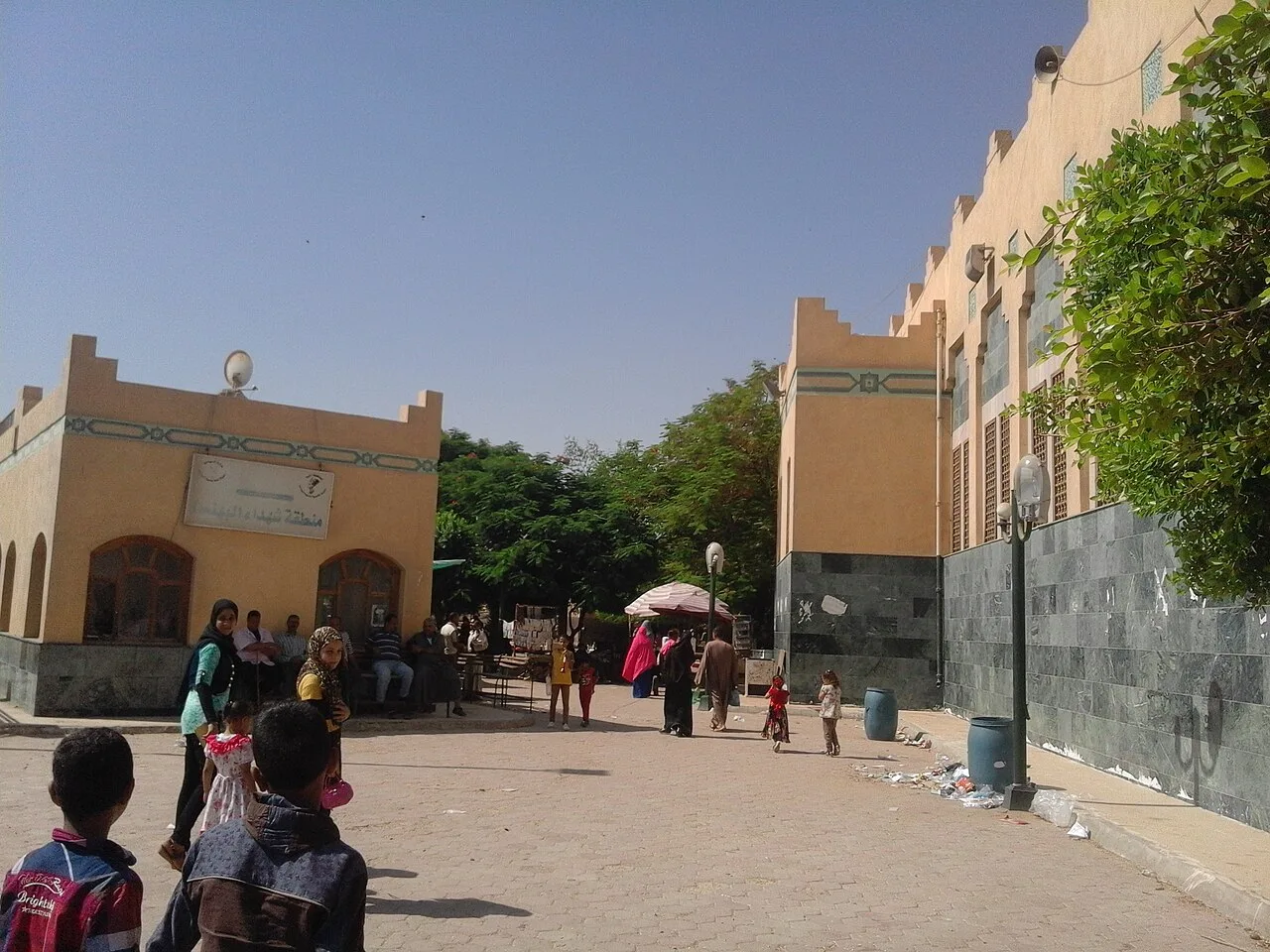
Oxyrhynchus ( OK-sih-RINK-əs; Ancient Greek: Ὀξύῤῥυγχος, romanized: Oxýrrhynkhos, lit. 'sharp-nosed', Koine Greek: [okˈsyr̥r̥yŋkʰos]; Ancient Egyptian: pr mꜥḏ; Coptic: ⲡⲉⲙϫⲉ or ⲡⲙ̅ϫⲏ, romanized: Pemdje), also known by its modern name Al-Bahnasa (Arabic: البهنسا, romanized: el-Bahnasa), is a city in Middle Egypt located about 160 km south-southwest of Cairo in Minya Governorate. It is also an important archaeological site. Since the late 19th century, the area around Oxyrhynchus has been excavated almost continually, yielding an enormous collection of papyrus texts dating from the Ptolemaic Kingdom and Roman Egypt. They also include a few vellum manuscripts, and more recent Arabic manuscripts on paper (for example, the medieval P. Oxy. VI 1006).
Oxyrhynchus lies west of the main course of the Nile on the Bahr Yussef, a branch that terminates in Lake Moeris and the Faiyum oasis. In ancient Egyptian times, there was a city on the site called Per-Medjed, named after the medjed, a species of elephantfish of the Nile worshipped there as the fish that ate the penis of Osiris. It was the capital of the 19th Upper Egyptian Nome.
After the conquest of Egypt by Alexander the Great in 332 BC, the city was reestablished as a Hellenistic town called Oxyrrhynchoupolis (Koine Greek: Ὀξυρρύγχου Πόλις, romanized: town of the sharp-snouted fish).
In the Hellenistic period, Oxyrhynchus was a prosperous regional capital, the third-largest city in Egypt. After Egypt was Christianized, it became famous for its many churches and monasteries. Saints Sirenos, Philoxenos and Ioustos were venerated and had shrines dedicated to them in the city.
Oxyrhynchus remained a prominent, though gradually declining, town in the Roman and Byzantine periods.
During the Jewish diaspora uprisings of 115–117 CE, fighting spread to the nome of Oxyrhynchus. The Roman suppression led to the near-total expulsion and destruction of Jewish communities in Egypt. Papyrological evidence indicates that a local festival commemorating the Jewish defeat was still celebrated in Oxyrhynchus some eighty years later. Jewish life in the area did not re-emerge until the third century, with a papyrus dated to 291 CE recording an active synagogue in Oxyrhynchus and identifying one of its officials as originating from Palestine.
From 619 to 629, during the brief period of Sasanian Egypt, three Greek papyri from Oxyrhynchus include references to large sums of gold that were to be sent to the emperor.
During the era of Rashidun Caliphate, the town of Oxyrhinchus was invaded and conquered by Rashidun army under the leadership of Khalid ibn al-Walid. At first, the Rashidun sent emissary of Al-Mughira to negotiate with the garrison commander of the city named Batlus, however, as the negotiation ended badly, the Rashidun forces then sent their troops to attack Bahnasa. The Rashidun governor of Egypt, Amr ibn al-As, dispatched Khalid as the commander of this expedition, who take the route through Fustat.
Information source: Wikipedia · rewritten and edited by Maalem; available under CC BY-SA 4.0
- Location
- Minya, Egypt
- Coordinates
- 28.5361, 30.6547
- Category
- Ancient Sites
Source: Wikipedia · Factual information about the real landmark; unrelated to virtual ownership.