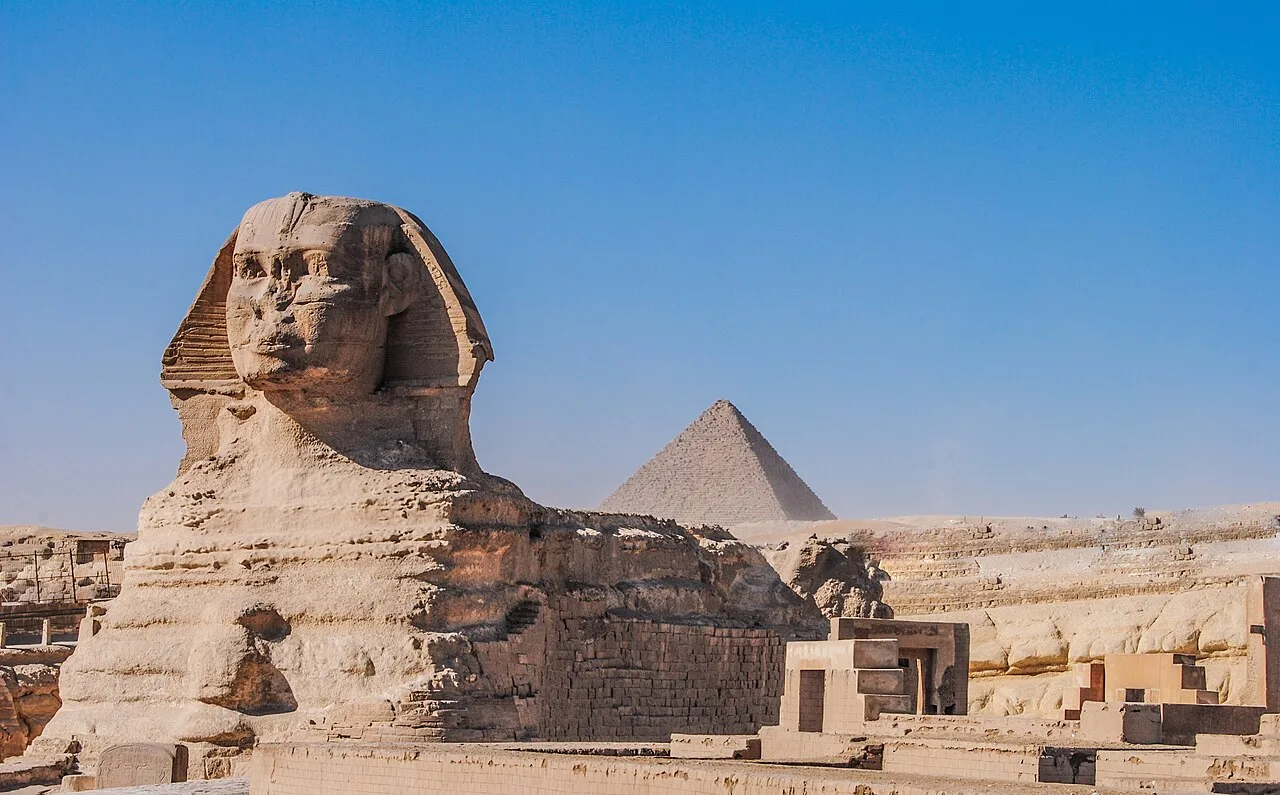
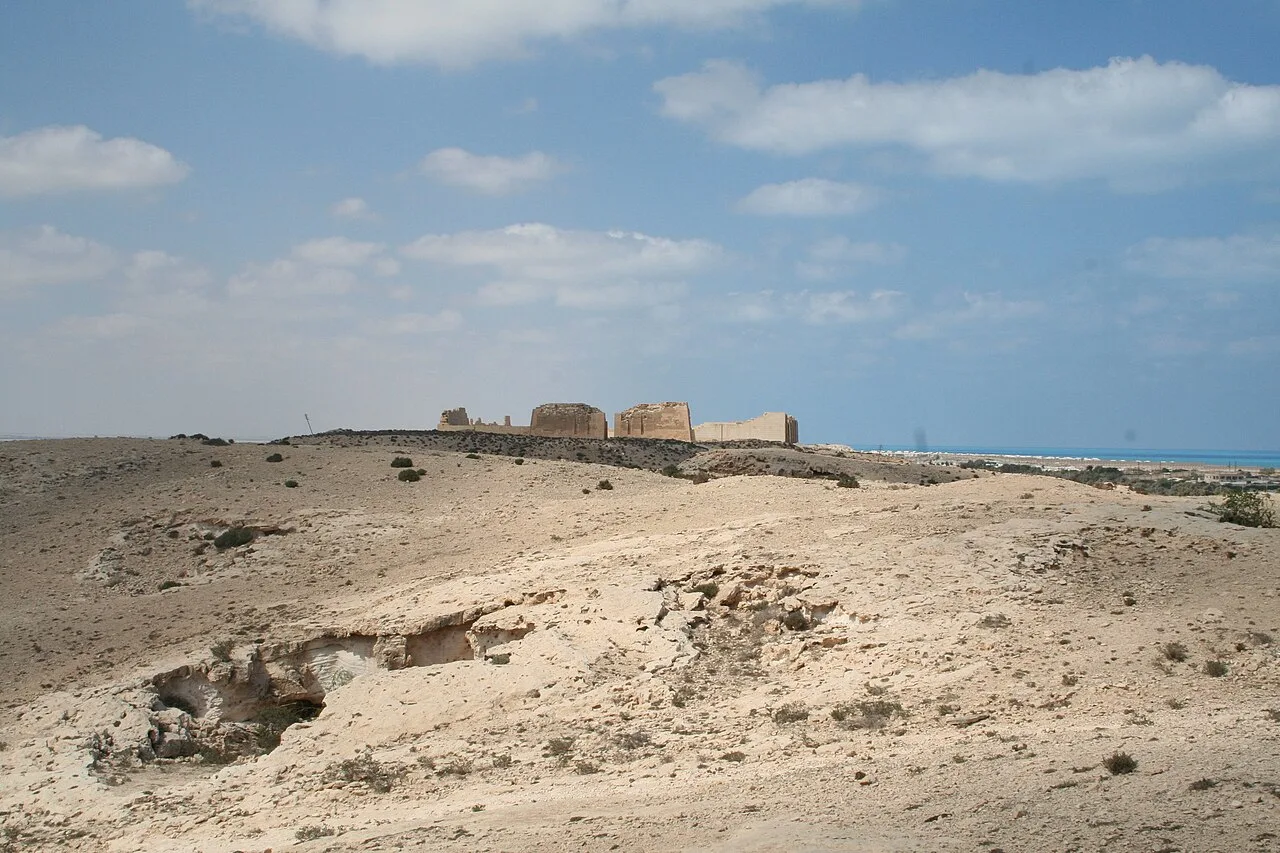
Sun Temple of Nyuserre (Abu Gorab)
Virtual asset linked to this landmark

- Virtual owner
- The platform
- Times sold
- 0
- Fame on Wikipedia
- 5,294 article reads in 12 months
- Searches (30 days)
- 0
- Watching
- 0
Virtual ownership only. It gives no legal, financial or physical right in the real landmark. Prices are set by the market and may fall.
About Sun Temple of Nyuserre (Abu Gorab) and its history
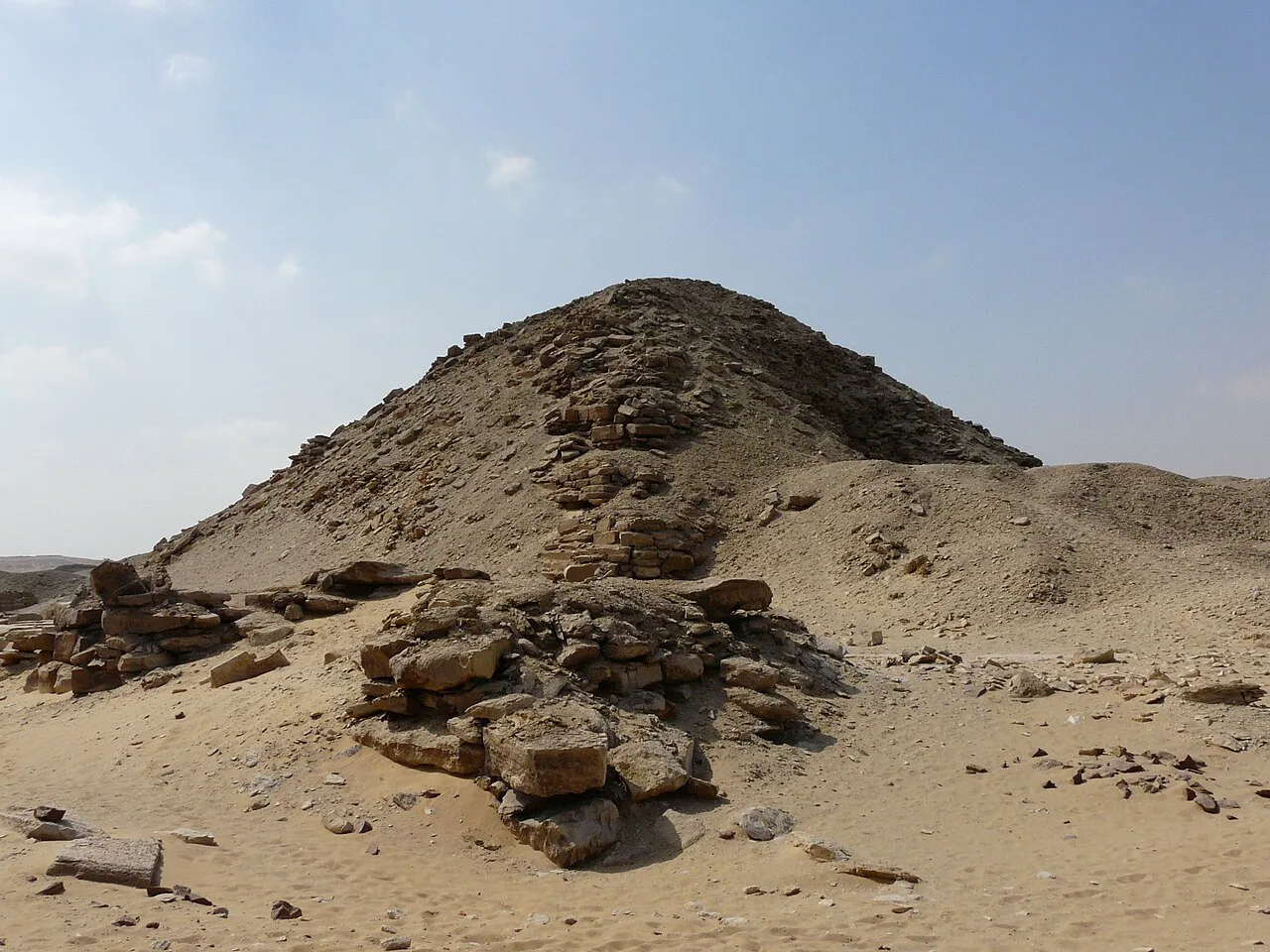
A sun temple built by the Fifth Dynasty king Nyuserre for the god Ra north of Abusir, the best preserved of the sun temples.
Abu Gorab (Arabic: أبو غراب Egyptian Arabic pronunciation: [ˈæbu ɣoˈrɑb], also known as Abu Gurab, Abu Ghurab) is a locality in Egypt situated 15 km (9.3 mi) south of Cairo, between Saqqarah and Al-Jīzah, about 1 km (0.62 mi) north of Abusir, on the edge of the desert plateau on the western bank of the Nile. The locality is best known for the solar temple of King Nyuserre Ini, the largest and best preserved solar temple, as well as the solar temple of Userkaf, both built in the 25th century BCE during the Old Kingdom Period. Evidence suggests that as many as six solar temples were constructed during the 5th Dynasty, however, only the two temples previously mentioned (Nyussere's and Userkaf's) have been excavated. Abu Gorab is also the site of an Early Dynastic burial ground dating back to the First Dynasty.
Early dynastic cemetery
North of Nyuserre's sun temple is a cemetery dating back to the First Dynasty of Egypt (c. 3100–2900 BCE), where people belonging to the middle ranks of the Ancient Egyptian society were buried. The area was primarily used as a burial site during the 5th dynasty and became nearly obsolete as a necropolis after the 5th dynasty.
Sun temple of Nyuserre Ini
The Sun Temple of Nyuserre was excavated by Egyptologists Ludwig Borchardt and Friedrich Willhelm von Bissing sometime between 1898 and 1901, on behalf of the Berlin Museum. The sun temple is situated near Memphis, and is closely linked with the Abusir necropolis, both geographically and functionally.
The temple was constructed on the orders of Nyuserre Ini, sixth king of the Fifth Dynasty of Egypt. The exact dates of his reign are unknown but it is estimated that he came to the throne early in the second half of the 25th century BCE. Nyuserre also built a pyramid complex in what was then the royal necropolis, 1 km (0.62 mi) to the south of Abu Gorab in Abusir. The temple was probably constructed late during Nyuserre's reign. It was built in honor of the Egyptian Sun god Ra and named (Ssp-ib-R’) meaning “Re’s Favorite Place” or "Joy of Re."
The temple consists of a rectangular walled enclosure, 100 by 76 meters with an entrance situated on the eastern face. The complex is primarily built out of mudbrick covered with limestone, and is situated on the shores of the ancient Abusir lake bed. The main temple was built on a natural hill that had been enhanced. Artificial terraces on this hill were created, which then served as the foundation for the temple. Entrance to the temple is gained through a small structure called the Valley Temple, on the eastern edge of the complex. It is partially submerged and has suffered extensive damage. It is known that an entrance corridor ran from the portico through the building and led to a causeway on the opposite side.
Inside the temple is a large, open courtyard. At the western end of the courtyard lie the ruins of a colossal stone obelisk. The obelisk had a pedestal red-granite base, sloping sides, and a square top.
Information source: Wikipedia · rewritten and edited by Maalem; available under CC BY-SA 4.0
- Location
- Giza, Egypt
- Coordinates
- 29.9042, 31.1942
- Category
- Ancient Sites
Source: Wikipedia · Factual information about the real landmark; unrelated to virtual ownership.
Price & ownership history
Landmarks near Sun Temple of Nyuserre (Abu Gorab)
Map → Available
📖 16 K reads
Available
📖 16 K reads
 Available
📖 8 K reads
Available
📖 8 K reads
 Available
📖 6 K reads
Available
📖 6 K reads
 Available
📖 5 K reads
Available
📖 5 K reads